16200 Metcalf Ave, Overland Park, KS 66085

Pet Emergency? 10 Warning Signs You Should Never Ignore
By Blue Valley Animal Hospital | April 22, 2026
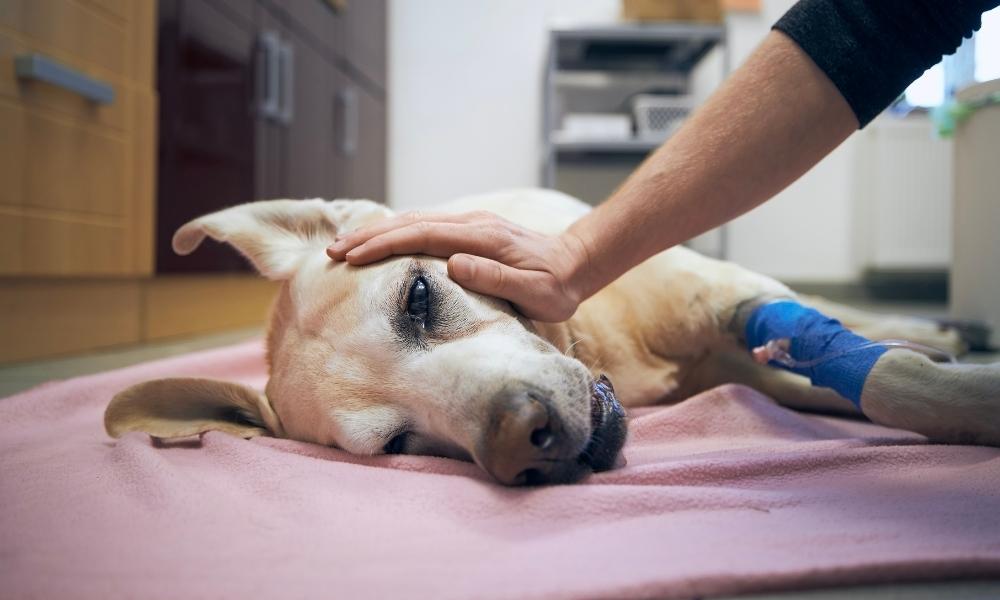
Does something feel off with your pet, but it is hard to tell how serious it really is? Maybe they are quieter than usual, refusing food, or breathing a little differently. These moments can feel confusing, especially when pets cannot explain what they are going through. What looks minor at first can quickly become a problem that requires immediate attention.
This blog is especially for pet owners of Overland Park, KS, who want to make faster, more confident decisions when it matters most. Knowing the right warning signs can help you act without hesitation and get your pet the urgent care they need before a problem becomes critical.
Why Quick Action Can Make All the Difference
Delays during a medical emergency can lead to complications that are harder to treat later. Pets cannot explain what they feel, so visible signs often become the only clues available. Acting quickly helps reduce pain, prevent worsening conditions, and improve recovery outcomes.
Early Recognition Saves Lives
Recognizing warning signs early gives your pet a better chance of recovery. Even subtle symptoms can signal serious problems when accompanied by behavioral changes. Quick action often prevents the need for more complex treatments later.
The Role of Timely Medical Care
Veterinary teams assess symptoms quickly and decide if urgent treatment is required. Early intervention may reduce the need for advanced treatments, such as surgery, in pets. Urgent care also helps stabilize your pet and improve overall outcomes.
1. Sudden Difficulty Breathing
Breathing problems should always be treated as critical. Rapid breathing, gasping, or open-mouth breathing in cats can indicate serious distress. Pets struggling for air may appear restless or anxious, which can signal a problem with oxygen flow.
Signs Your Pet Needs Emergency Care
- Labored breathing: Chest movements appear exaggerated or strained with each breath.
- Blue or pale gums: Changes in gum color can indicate low oxygen levels in the bloodstream.
- Unusual sounds: Wheezing or choking noises often suggest airway obstruction or fluid buildup.
Immediate veterinary attention is necessary when breathing changes appear suddenly or worsen quickly.
2. Persistent Vomiting or Diarrhea
Occasional stomach upset may not be alarming, but repeated episodes should not be ignored. Ongoing vomiting or diarrhea can lead to dehydration and electrolyte imbalance. These issues become dangerous, especially for young or senior pets.
When Digestive Issues Become Serious
- Frequent episodes: Multiple incidents within a short time frame indicate something more serious.
- Blood present: Blood in vomit or stool requires urgent medical evaluation.
- Lethargy with symptoms: Weakness combined with digestive issues signals a deeper concern.
A veterinarian can determine whether the cause is infection, toxin exposure, or another underlying condition.
3. Sudden Collapse or Weakness
A pet collapsing without warning is always a medical emergency. Loss of strength or inability to stand can result from heart issues, internal bleeding, or neurological problems. Even if your pet recovers quickly, evaluation should not be delayed.
What Collapse May Indicate
- Unsteady movement: Difficulty walking or balancing may signal nerve or muscle problems.
- Loss of consciousness: Brief episodes of fainting should be treated as an urgent sign of pet care.
- Extreme fatigue: Sudden tiredness without exertion often points to serious illness.
Immediate care helps identify the root cause and prevent further episodes.
4. Severe Pain or Unusual Vocalization
Pain in pets may appear as whining, growling, or sudden aggression. Behavioral changes often indicate discomfort that should not be ignored. Pets may also hide or avoid touch when they are in significant pain.
Behavioral Changes to Watch Closely
- Continuous crying: Persistent vocalizations suggest ongoing discomfort that requires attention.
- Guarding behavior: Refusal to let you touch a specific area may indicate injury.
- Restlessness: Inability to settle comfortably often signals internal pain.
Veterinary evaluation helps locate the source of pain and provide relief quickly.
5. Traumatic Injuries or Accidents
Falls, bites, or vehicle-related injuries can cause internal damage that is not immediately visible. External wounds may appear minor, yet deeper injuries could exist beneath the surface. Prompt care is essential to ensure that your pet is safe from severe injuries after any trauma.
Hidden Risks After an Accident
- Bleeding wounds: Active bleeding requires immediate control and medical treatment.
- Swelling or bruising: Changes in body shape may indicate internal injury.
- Limping or immobility: Difficulty moving suggests possible fractures or joint damage.
In some cases, advanced veterinary surgical procedures may be required to repair damage and restore function.
6. Seizures or Uncontrolled Movements
Seizures can be frightening and often indicate neurological issues. Even a single episode should be evaluated by a veterinarian. Repeated seizures within a short period increase the level of urgency.
Understanding Seizure Symptoms
- Muscle twitching: Sudden jerking movements may signal abnormal brain activity.
- Loss of awareness: Pets may appear confused or unresponsive during episodes.
- Post-seizure disorientation: Difficulty recognizing surroundings after a seizure is common.
Quick medical attention helps manage symptoms and identify underlying causes.
7. Difficulty Urinating or Defecating
Straining without producing urine or stool is a serious concern. Blockages can become life-threatening if not treated promptly. Male cats and dogs are especially at risk for urinary obstruction.
Warning Signs of Blockage
- Frequent attempts: Repeated trips to the litter box or outside without success are warning signs.
- Crying during attempts: Vocalization while trying to urinate or defecate indicates pain.
- Blood in urine: Visible blood in urine signals irritation or infection that requires urgent care.
A veterinarian can relieve blockages and prevent complications affecting the kidneys or bladder.
8. Ingestion of Toxic Substances
Pets are naturally curious and may consume harmful items without hesitation. Household cleaners, certain foods, and medications need to be kept out of pets’ reach, as they can all be dangerous. Quick action is critical when ingestion is suspected.
Common Signs of Poisoning
- Sudden vomiting: Rapid-onset vomiting may follow toxin exposure.
- Drooling excessively: Increased saliva can indicate irritation or poisoning.
- Behavior changes: Confusion or agitation often accompanies toxic reactions.
Immediate veterinary care can limit toxin absorption and reduce damage.
9. High Fever or Extreme Temperature Changes
Temperature changes often signal infection or systemic illness. Fever can lead to dehydration, while low body temperature may indicate shock or exposure.
What Temperature Changes Reveal
- Warm ears and nose: Increased warmth may indicate an elevated body temperature.
- Shivering or trembling: These signs may point to fever or cold stress.
- Loss of appetite: Refusal to eat often accompanies temperature-related illness.
Timely treatment helps stabilize your pet and effectively address the underlying cause.
10. Swollen Abdomen or Sudden Bloating
Abdominal swelling can develop rapidly and may indicate serious internal issues. Conditions like bloat in dogs require immediate medical intervention. Delays can become life-threatening within a short time.
When Bloating Becomes Dangerous
- Tight abdomen: A firm, swollen belly often signals gas buildup or fluid accumulation.
- Unsuccessful vomiting attempts: Trying to vomit without success is a major warning sign.
- Restlessness: Inability to settle or lie down comfortably suggests discomfort.
Emergency care may involve procedures or pet surgery to relieve pressure and correct the issue.
How Emergency Care Helps Your Pet Recover
Emergency veterinary care focuses on stabilizing your pet quickly and addressing life-threatening conditions. Diagnostic tools help identify problems accurately, while treatments are tailored to your pet’s specific needs. Early care often reduces recovery time and improves overall outcomes.
What Happens During an Emergency Visit
During an urgent visit, our team at Blue Valley Animal Hospital quickly evaluates your pet’s condition and begins immediate care based on their needs. We focus on fast answers and timely treatment to reduce risks and improve recovery outcomes.
- Blood analysis: We run blood tests to check organ function, detect infections, and identify hidden issues that may not be visible during a physical exam.
- Digital X-rays: We use advanced imaging to examine bones, lungs, and internal structures, enabling us to detect injuries or abnormalities quickly.
- Surgery: We perform emergency procedures as needed to treat life-threatening conditions and stabilize your pet promptly.
- Medication: We provide targeted medications to manage pain, control symptoms, and support your pet’s recovery process.
Recovery and Follow-Up Care
Follow-up visits ensure your pet continues to heal properly. Instructions may include medication schedules, activity limits, and home monitoring. Proper care after treatment plays a key role in long-term health.
Simple Steps to Prepare for Emergencies
Preparation helps reduce stress during unexpected situations. Having a plan ensures quick action and avoids confusion when time is limited.
Practical Ways to Stay Ready
- Know your nearest clinic: Familiarity with urgent care locations saves valuable time.
- Keep emergency vet contact numbers handy: Having easy access ensures faster communication.
- Maintain medical records: Updated records help veterinarians understand your pet’s history.
- Watch for early signs: Awareness of subtle changes allows quicker response.
Being prepared allows you to act confidently when your pet needs immediate help.
Stay Alert and Act Without Delay
Recognizing emergency signs requires attention and awareness. Pets rely on their owners to notice changes and respond quickly. Acting early can prevent serious complications and significantly improve recovery outcomes.
Blue Valley Animal Hospital provides urgent care services designed to address sudden health concerns in pets. Timely evaluation and treatment can reduce complications and improve recovery outcomes. Access to reliable care ensures your pet receives attention when it is needed most, helping protect their overall health and well-being during emergencies.
If you are in Overland Park and something does not seem right with your pet, we understand how overwhelming that can feel. Book an appointment with Blue Valley Animal Hospital, and our team will provide immediate attention when your pet needs attention. We are available during our urgent care hours, Monday through Thursday from 6 PM to 8 PM, to help you act quickly. If the situation feels serious or urgent, please call us immediately at +19136812818 so we can help right away.
Frequently Asked Questions
Q1. How do I know if my pet’s condition is truly an emergency?
Ans. Signs such as difficulty breathing, collapse, or severe pain usually indicate emergencies. Trust your instincts and seek veterinary care when symptoms appear suddenly or worsen quickly without improvement.
Q2. Can I wait and monitor symptoms before visiting a veterinarian?
Ans. Mild symptoms may be monitored briefly, but worsening signs should not be ignored. Delaying care can lead to complications, making treatment more difficult and recovery longer for your pet.
Q3. What should I do during a pet emergency at home?
Ans. Stay calm and ensure your pet is safe from further harm. Contact a veterinarian immediately and follow their instructions while preparing to transport your pet quickly for care.
Q4. Are all injuries considered emergencies for pets?
Ans. Not every injury requires urgent care, but trauma involving bleeding, swelling, or difficulty moving should always be evaluated promptly by a veterinarian to rule out serious internal damage.
Q5. How can I reduce the risk of pet emergencies?
Ans. Regular checkups, safe environments, and awareness of harmful substances can lower risks. Early detection of health changes also helps prevent minor issues from becoming serious emergencies.
Q6. How can I contact someone during a pet emergency?
Ans. When your pet is in trouble, call Blue Valley Animal Hospital right away at +19136812818 so our team can guide you in the moment. We will help you understand what to do next while you prepare to come in, so your pet can get the care they need as quickly as possible.