16200 Metcalf Ave, Overland Park, KS 66085

Pet Urgent Care 101: Fast Decisions That Protect Your Pet’s Life
By Blue Valley Animal Hospital | April 24, 2026
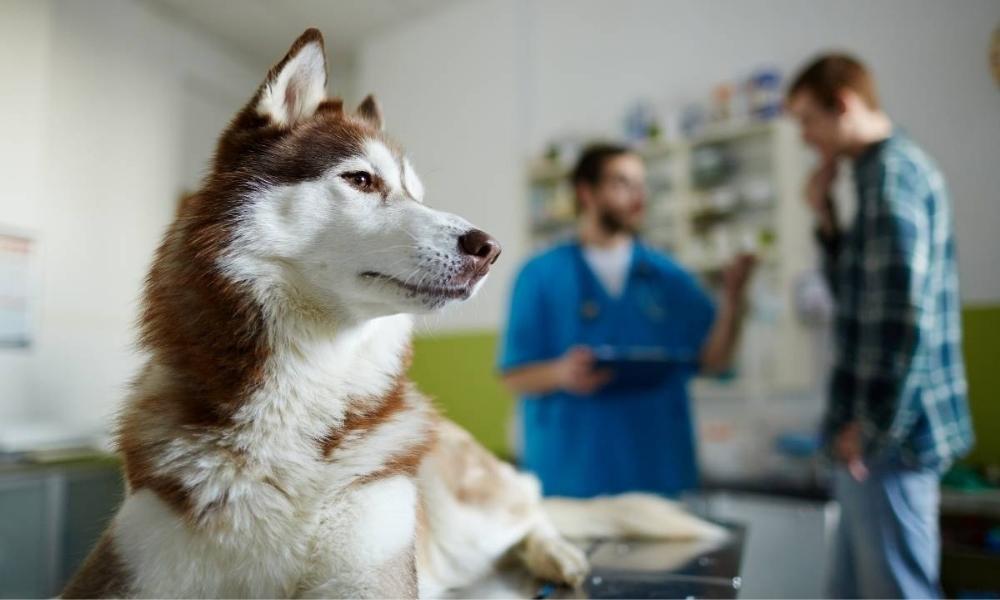
Your pet doesn’t get a warning before something goes wrong. One minute, they are fine, and the next, they are restless, breathing oddly, or not acting like themselves at all. Those sudden shifts can feel unsettling, especially when you are trying to decide whether it is serious enough to warrant emergency medical care. Waiting it out or hoping it passes can quickly turn a manageable issue into something far more dangerous.
This blog is especially for pet owners of Overland Park, KS, who want real clarity during those tense, uncertain moments. Knowing how to spot urgent warning signs and when to seek emergency medical care can help you move quickly, avoid second-guessing, and get your pet the help they need right when it matters most.
Why Acting Fast Matters More Than You Think
Time plays a critical role during urgent situations. Many conditions can worsen within minutes or hours if they are not treated properly. Pets often hide discomfort, so visible symptoms may already signal a deeper problem.
How Delays Can Affect Your Pet
Delaying care can lead to increased pain, internal damage, or complications that require more intensive treatment. Early action often reduces risks and improves recovery outcomes. Quick decisions can also reduce the likelihood of needing advanced interventions, such as veterinary surgery, for pets.
Understanding Urgent Care vs Emergency Care
Pet urgent care focuses on conditions that require prompt attention but are not immediately life-threatening. An emergency vet handles difficult, life-threatening situations that require immediate intervention. Knowing the difference helps you choose the right level of care without losing valuable time.
Signs You Should Never Ignore
Recognizing early warning signs helps you decide when your pet needs urgent attention. Some symptoms may appear mild but can quickly become serious.
Physical Warning Signs
- Difficulty breathing: Rapid or labored breathing can signal respiratory distress or heart issues.
- Persistent vomiting: Repeated vomiting may lead to dehydration and indicate an underlying illness.
- Sudden weakness: Loss of strength or collapse requires immediate medical evaluation.
- Visible injuries: Wounds, swelling, or limping may point to internal damage.
Behavioral Changes That Signal Trouble
- Loss of appetite: Refusing food for an extended time can indicate illness or pain.
- Unusual aggression: Sudden changes in behavior may signal discomfort or injury.
- Hiding or withdrawal: Avoiding interaction often means your pet is not feeling well.
Recognizing these signs early allows you to act before the condition becomes critical.
Pet Emergency First Aid Steps Every Owner Should Know
Knowing what to do in the first few minutes can make a big difference. Basic pet emergency first aid steps can help stabilize your pet before reaching a clinic.
Immediate Actions to Take
- Stay calm and focused: Your pet can sense stress, so staying composed helps manage the situation better.
- Check breathing and pulse: Ensure your pet is breathing normally and has a steady pulse.
- Control bleeding: Apply gentle pressure using a clean cloth to slow bleeding.
- Prevent further injury: Keep your pet still and avoid unnecessary movement.
What to Avoid During an Emergency
- Do not give human medication: Many medications can be harmful or toxic to pets.
- Do not delay veterinary care: First aid is only temporary and not a substitute for treatment.
- Do not force food or water: Forcing intake may worsen certain conditions.
Taking the right steps can help stabilize your pet until you reach the veterinary clinic.
What Happens During a Pet Urgent Care Visit
During an urgent visit, our team at Blue Valley Animal Hospital quickly evaluates your pet’s condition and begins care without delay. We focus on accurate diagnosis and timely treatment to protect your pet’s health.
How We Assess Your Pet
- Blood analysis: We perform blood tests to check organ function and detect infections or underlying conditions.
- Digital X-rays: We use imaging to quickly identify injuries, blockages, or internal concerns.
- Surgery: We perform emergency procedures when necessary to treat serious conditions and stabilize your pet.
- Medication: We provide medications to manage pain, control symptoms, and support recovery.
Fast evaluation and treatment help reduce complications and improve outcomes.
How to Decide Where to Go
Choosing the right place for care can feel overwhelming during stressful moments. Understanding the level of urgency helps guide your decision.
When Pet Urgent Care is the Right Choice
Pet urgent care is suitable for conditions that need prompt attention but are not immediately life-threatening. These may include mild injuries, digestive issues, or sudden behavioral changes.
When You Need an Emergency Vet
An emergency vet is necessary when your pet shows severe symptoms such as difficulty breathing, seizures, or uncontrolled bleeding. These situations require immediate and intensive care.
Making the right choice ensures your pet receives appropriate treatment without delay.
Preparing for Unexpected Situations
Preparation can reduce panic and help you act quickly when something goes wrong. Having a plan in place makes emergencies easier to handle.
Simple Ways to Stay Ready
- Know your nearest clinic: Being familiar with locations saves valuable time.
- Keep contact numbers accessible: Quick access ensures faster communication during emergencies.
- Maintain updated records: Medical history helps veterinarians make informed decisions.
- Create a pet first-aid kit: Basic supplies can help manage minor injuries until you can seek care.
Preparation allows you to respond with confidence when every second counts.
Common Mistakes Pet Owners Make
Even well-meaning actions can sometimes make a situation worse. Avoiding common mistakes can protect your pet during urgent situations.
Mistakes to Avoid
- Waiting too long: Hoping symptoms will improve can delay necessary treatment.
- Misjudging severity: Underestimating symptoms may lead to complications.
- Skipping follow-up care: Recovery requires continued attention after initial treatment.
Being aware of these mistakes helps you make better decisions for your pet.
Helping Your Pet Recover After Urgent Care
Recovery does not end after leaving the clinic. Proper care at home plays a key role in healing and preventing future issues.
Supporting Recovery at Home
- Follow medication instructions carefully: Proper dosing ensures effective treatment.
- Limit activity as advised: Rest helps your pet recover faster.
- Monitor for changes: Watch for new or worsening symptoms.
Proper aftercare improves healing and reduces the risk of complications.
When Quick Decisions Can Save Lives
Pet emergencies can happen without warning, but your response can make all the difference. Being prepared, recognizing warning signs, and acting quickly can protect your pet’s health and well-being.
Blue Valley Animal Hospital provides urgent care for pets, addressing sudden health concerns with timely attention. Fast evaluation and treatment help reduce complications and support recovery. Access to reliable care ensures your pet receives the help they need during critical moments.
If you are in Overland Park and your pet needs urgent care, book an appointment with Blue Valley Animal Hospital for immediate attention during our urgent care hours, Monday through Thursday from 6 PM to 8 PM. If your pet’s condition feels severe or life-threatening, please call +19136812818 right away so our team can guide you on the next steps and help you act without delay.
Frequently Asked Questions
Q1. What is the difference between pet urgent care and emergency care?
Ans. Pet urgent care handles non-life-threatening issues that still need prompt attention. In contrast, emergency care focuses on severe, life-threatening conditions that require immediate, intensive medical intervention for your pet.
Q2. When should I take my pet to an emergency vet?
Ans. You should visit an emergency vet if your pet has difficulty breathing, severe injuries, seizures, or uncontrolled bleeding. These symptoms require immediate medical care to prevent serious complications.
Q3. Can I handle a pet emergency at home?
Ans. Basic pet emergency first aid steps can help stabilize your pet temporarily, but veterinary care is always necessary to properly diagnose and treat the underlying condition.
Q4. How can I prepare for pet emergencies in advance?
Ans. You can prepare by keeping a first-aid kit, knowing where nearby clinics are, saving contact numbers, and staying aware of early warning signs of urgent health issues.
Q5. What should I bring to an urgent care visit?
Ans. Bring your pet’s medical records, current medications, and any details about recent symptoms or incidents. This information helps the veterinarian provide faster and more accurate treatment.
Q6. How can I quickly reach help during a pet emergency?
Ans. When something suddenly goes wrong, it can feel overwhelming to figure out what to do first. Call Blue Valley Animal Hospital at +19136812818 right away, and our team will guide you step by step. We will help you understand the situation, advise you on what to do immediately, and prepare you to bring your pet in as quickly and safely as possible.