16200 Metcalf Ave, Overland Park, KS 66085

Pet Owner’s Guide to Preparing for an Emergency Situation
By Blue Valley Animal Hospital | April 29, 2026
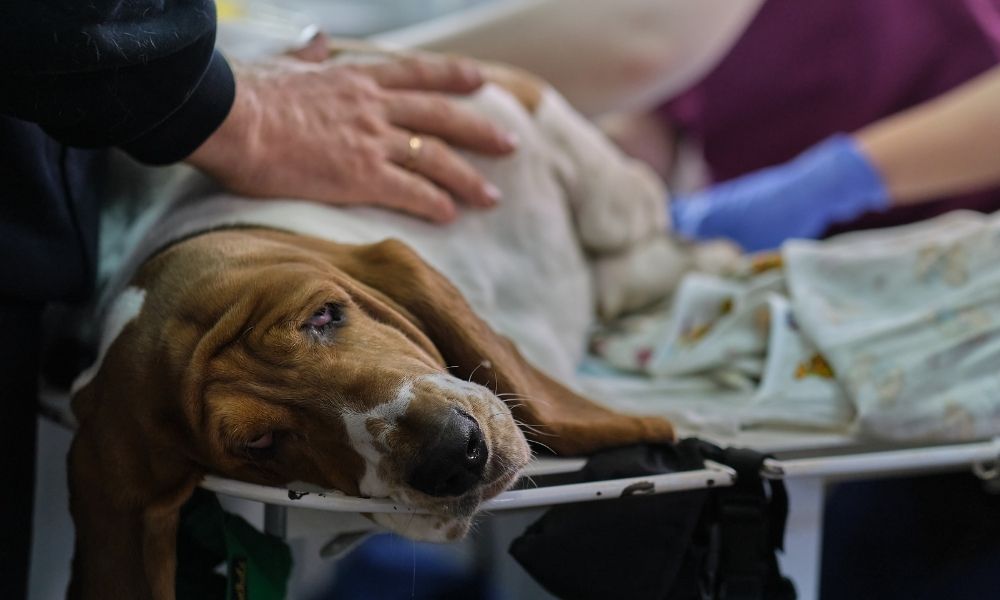
Emergencies can happen when we least expect them, and when it comes to your pet’s well-being, being prepared is essential. Whether it’s a sudden injury, illness, or even a natural disaster, knowing how to respond quickly and effectively can significantly impact your pet’s safety and health. Quick action can prevent further harm and provide comfort during stressful times.
This guide is especially designed for pet owners in Overland Park, KS, to help you prepare for any unexpected situation that could put your pet’s well-being at risk. With the right preparation, you can act confidently and swiftly, ensuring your furry friend stays protected. From sudden illness to injury, having a plan in place will also ensure you’re ready for emergency medical care when it’s needed most.
Why Every Pet Owner Needs an Emergency Plan
When emergencies strike, there’s often no time to think. Having a pet emergency plan ready ensures you can act quickly and effectively, reduces panic, ensures proper care, and ultimately can save your pet’s life.
What Should Be in Your Pet Emergency Plan?
A pet emergency plan includes everything from emergency contacts to first-aid kits, as well as an understanding of evacuation procedures. The goal is to be ready no matter what happens. Here’s what you should have:
- Emergency contacts: Include your veterinarian’s phone number and the contact details of an emergency clinic. Keep these numbers handy on your phone and visible in your home.
- Pet first-aid kit: A well-stocked kit should include bandages, antiseptic wipes, tweezers, and any medications your pet might need in an emergency.
- Evacuation plan: Know your local evacuation routes and pet-friendly shelters or hotels in case you need to leave quickly.
- Pet identification: Ensure your pet’s ID tags are up to date. Microchipping is also a great way to ensure they’re returned safely if lost.
By having these essentials in place, you’re already ahead in ensuring your pet’s safety during any emergency.
Keeping Your Pet Safe When Disaster Strikes
Emergencies can come in many forms: accidents, natural disasters, or unexpected health crises. In each situation, your pet’s safety is a priority. However, preparing for these situations means more than just having a plan—it means being ready for action.
Tips for Keeping Your Pet Safe During an Emergency
- Stay calm and focused: Animals can sense your anxiety. Keeping calm will help you think clearly and comfort your pet during a stressful time.
- Secure your pet: In case of sudden evacuation, have a carrier or leash ready to prevent your pet from getting lost or running away.
- Keep familiar items: Bring your pet’s food, toys, or bedding to help them feel comforted and secure during stressful evacuations or waiting periods.
Your pet relies on you for safety during emergencies, and being prepared is the key to providing that protection.
First Aid for Pets: The Basics Every Owner Should Know
When emergencies happen, knowing basic first aid for pets can mean the difference between life and death. While it’s crucial always to seek veterinary care during a serious emergency, knowing how to act in the meantime can help stabilize your pet.
Key First Aid Tips Every Pet Owner Should Know
- Bleeding control: Apply pressure with a clean cloth or bandage to stop bleeding. If bleeding is severe, apply a tourniquet above the injury site.
- CPR for pets: If your pet stops breathing, administer mouth-to-snout resuscitation. Make sure your pet’s airway is clear before attempting CPR.
- Choking: If your pet is choking, carefully check their mouth to remove any foreign object. If they can’t breathe, try the Heimlich maneuver for pets.
These simple first-aid techniques are easy to learn but can be lifesaving when every second counts. Having a basic knowledge of first aid for pets can provide peace of mind during emergencies.
Preparing Your Pet for Medical Emergencies
Sometimes, emergencies involve unexpected medical conditions, such as sudden allergic reactions, seizures, or injuries. Knowing what to do in these situations is just as important as having a pet emergency plan.
How to Respond to Specific Medical Emergencies
- Severe allergic reactions: If your pet has a known allergy, keep antihistamines (approved by your vet) on hand. For serious reactions, seek emergency care immediately.
- Seizures: Stay calm and ensure your pet is in a safe area. Don’t try to restrain them during a seizure, and make sure they don’t injure themselves.
- Trauma: If your pet has been in an accident, move them only if necessary. Keep their neck and back as stable as possible while transporting them to the vet.
Being prepared for medical emergencies means you can respond quickly, giving your pet the best chance of a swift recovery.
A Pet-Friendly Emergency Kit: What You Need
Creating a pet-friendly emergency kit can help you respond effectively during a crisis. Think of it as an essential part of your pet emergency plan.
What’s in Your Pet Emergency Kit?
- Food and water: Pack enough to last at least 3 days.
- Pet medications: Include any medications your pet takes daily, along with written dosage instructions.
- First aid supplies: Bandages, gauze, antiseptic wipes, and a pet thermometer are just a few items to include.
- Comfort items: Bring along your pet’s favorite toy or blanket to help calm them during stressful situations.
A well-organized emergency kit ensures that you have everything on hand to keep your pet safe and comfortable during an emergency.
Don’t Wait for an Emergency to Get Prepared
Emergencies can be overwhelming, but with the right preparation, you can ensure your pet’s safety and well-being. From creating a pet emergency plan to knowing how to respond to medical situations, being proactive is the best way to protect your pet in times of crisis.
We believe in empowering pet owners to take proactive steps to prepare for any emergency. From creating a solid pet emergency plan to understanding first aid for pets, we’re here to support you every step of the way.
If you’re a pet owner in Overland Park, book an appointment with Blue Valley Animal Hospital today to create a tailored emergency plan for your pet. Whether it’s a sudden injury or health issue, we’ll ensure you’re ready.
For urgent situations, our team is available Monday through Thursday from 6 PM to 8 PM. In critical cases, contact us immediately at +19136812818. We’re here to provide proficient care and peace of mind when it matters most.
FAQs
Q1. How do I know if my pet is in pain during an emergency?
Ans. Watch for signs like hiding, difficulty moving, or sudden changes in behavior. If your pet shows any of these signs, immediate care is necessary.
Q2. What should I do if my pet is bleeding?
Ans. Apply gentle pressure to the wound with a clean cloth or bandage to stop the bleeding. If it doesn’t stop, seek emergency veterinary care immediately.
Q3. Should I use my pet’s regular vet in an emergency?
Ans. Yes, but if your vet is unavailable, find the nearest emergency clinic. Having multiple options ensures you’re always prepared.
Q4. How can I help my pet stay calm during an emergency?
Ans. Keep your pet in a familiar, safe space and try to maintain calmness. Familiar scents and sounds can provide comfort.
Q5. Is there a special emergency plan for pets with medical conditions?
Ans. Yes, pets with medical conditions need customized plans. Make sure your emergency kit includes their medications and any special care instructions.