16200 Metcalf Ave, Overland Park, KS 66085

Pet Urgent Care Checklist: Be Prepared for Any Emergency Situation
By Blue Valley Animal Hospital | April 27, 2026
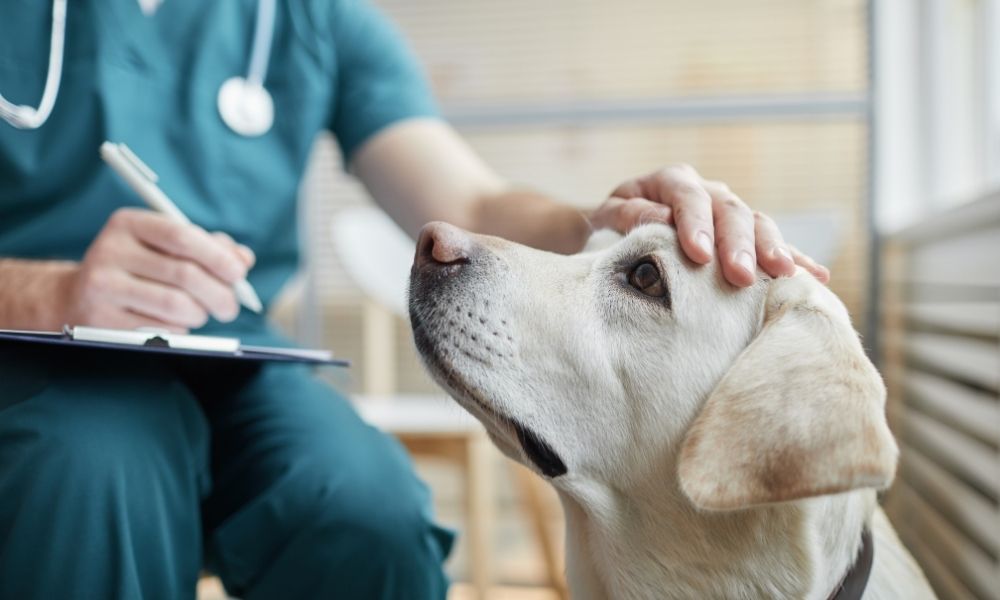
Emergencies can strike unexpectedly, leaving pet owners feeling helpless and uncertain about how to react. Whether your furry companion gets into a dangerous situation or shows signs of sudden illness, knowing how to handle the emergency is crucial.
This blog serves as a comprehensive guide for Overland Park pet owners, offering tips and advice on preparing for and handling urgent pet care. Let’s dive into the essential steps you should take to ensure the safety and well-being of your beloved pet when disaster strikes.
Understanding Pet Emergencies
Emergencies involving pets can range from minor injuries to life-threatening situations. Understanding the most common pet emergencies and their symptoms will help you act quickly. Some situations may require immediate attention, while others may need temporary first aid before heading to a veterinary clinic.
Why Preparation is Key for Pet Emergencies
As a pet owner, you are your pet’s first line of defense in times of crisis. Being prepared means having the right tools and knowledge to take action quickly. When seconds count, your quick response could make all the difference. To make sure you’re always ready, keep an emergency kit and a well-thought-out plan.
Pet Emergency Care Checklist: What You Need to Know
A pet emergency care checklist is your first step toward ensuring you’re ready for anything. Having the right items and a clear plan can save precious time when a pet emergency arises.
Essential Items to Include in Your Emergency Pet Care Kit
1. Pet First Aid Kit
Having a pet first aid kit is essential for treating minor injuries at home. Make sure to include the following:
- Gauze and Bandages: To stop bleeding and dress wounds.
- Tweezers: For removing ticks or splinters.
- Antiseptic Wipes or Spray: To clean wounds.
- Elastic Bandages: To wrap wounds and prevent infection.
- Scissors: For cutting bandages or gauze.
2. Emergency Contact Information
Your emergency kit should also include the contact details for your veterinarian, local emergency animal hospital, and poison control hotline.
- Veterinarian’s Name and Phone Number
- Emergency Animal Hospital (24/7)
- Pet Poison Helpline Contact Number
3. Pet Medications and Health Records
Keep a list of your pet’s current medications and medical history in your emergency kit. In case of a crisis, it’s important to know what treatments your pet is currently receiving.
4. Flashlight and Extra Batteries
In case of a nighttime emergency or power outage, a flashlight can help you navigate and inspect your pet.
5. Pet Carrier
In situations that require quick transport, having a carrier ready can reduce stress for both you and your pet.
Emergency Pet Care Tips for Immediate Action
When an emergency strikes, you may not have time to waste. Here are some immediate steps to take to ensure your pet’s safety until you can get professional care.
- Stay Calm: Panic can make the situation worse. Take a few deep breaths, stay composed, and think clearly.
- Assess the Situation: Quickly determine if the situation is life-threatening. If your pet is unconscious or having trouble breathing, contact a veterinarian immediately.
- Control Bleeding: If your pet is bleeding, apply gentle pressure to the wound using a clean cloth or bandage. Keep your pet calm to prevent further injury.
- Don’t Wait Too Long: In case of suspected poisoning or internal injury, don’t wait for the symptoms to worsen. Get your pet to a vet as soon as possible.
First Aid for Pets: What Every Pet Owner Should Know
Basic first aid for pets can make all the difference in an emergency. Here’s a quick guide to some common pet emergencies and how to handle them.
Choking
If your pet is choking, check their mouth for an obstruction. If visible, remove it carefully. If not, perform the Heimlich maneuver on your pet, then contact a vet immediately afterward.
Heatstroke
Pets can suffer from heatstroke in hot weather. If your pet is panting excessively, drooling, or lethargic, move them to a cool, shaded area and offer water. Do not submerge them in cold water, as this can cause shock.
Seizures
If your pet has a seizure, ensure they are in a safe area where they can’t injure themselves. Keep the area quiet and calm, and avoid touching your pet during the seizure. Once it subsides, contact your vet.
Broken Bones
If your pet has a broken bone, keep them still and calm. Avoid moving the affected area and contact your veterinarian immediately.
Burns
If your pet suffers a burn, rinse the affected area with cool water. Avoid using ice or ointments unless directed by a vet. Take your pet to the vet right away.
Poisoning
If your pet has ingested something toxic, act quickly. Call the pet poison helpline and follow the instructions carefully. You may need to bring your pet to an emergency vet for treatment.
Keeping Your Pet Safe: Preventing Emergencies
While it’s impossible to prevent every emergency, taking steps to reduce risks can help keep your pet safe.
Regular Vet Checkups
Routine visits to your veterinarian can help catch potential health issues early. Early detection means fewer emergencies in the future.
Safe Play Areas
Ensure your yard is free of hazardous substances, such as chemicals or sharp objects. When traveling, make sure your pet is safely secured in your vehicle to prevent injury.
Training and Socialization
Training your pet to respond to commands can help prevent dangerous situations. Socializing your pet also teaches them how to interact safely with people and other animals.
Pet Proofing Your Home
Just like baby-proofing, pet-proofing your home can keep your furry friend out of harm’s way. Keep toxic plants, cleaning supplies, and small objects out of their reach.
Stay Prepared for Any Emergency
Emergencies can be stressful for both you and your pet, but having a reliable veterinary team by your side can make a huge difference. At Blue Valley Animal Hospital, we are committed to providing expert urgent pet care when your pet needs it the most. Whether it’s a minor injury or a serious condition, our team is equipped to handle any emergency with compassion and expertise.
With the right tools, knowledge, and a well-stocked emergency kit, you can provide immediate care and ensure your pet gets the help they need. We are here to help you with all of your emergency pet care needs.
If you’re in Overland Park and facing an urgent pet emergency, book an appointment with Blue Valley Animal Hospital today. Our dedicated team provides immediate care Monday to Thursday, from 6 PM to 8 PM, for all your urgent pet needs. For critical or severe emergencies outside of regular hours, call us directly at +1-913-681-2818. We are committed to offering the highest level of care when your pet needs it most. Whether it’s a minor injury, a sudden illness, or a life-threatening condition, our compassionate team is here to help your pet feel better fast.
Frequently Asked Questions
Q1. What should I include in my pet’s emergency kit?
Ans. An emergency pet care kit should include first aid supplies, medications, a pet carrier, a flashlight, and your vet’s contact information. These items will help in times of crisis.
Q2. How can I tell if my pet needs emergency care?
Ans. If your pet is bleeding, having trouble breathing, or unresponsive, it’s time to seek emergency care. Always trust your instincts and contact a vet for guidance.
Q3. What’s the first thing to do in a pet emergency?
Ans. Stay calm, assess the situation, and perform first aid if necessary. Then contact your vet or visit an emergency animal hospital for further assistance.
Q4. Is it necessary to keep pet health records in an emergency kit?
Ans. Yes, having your pet’s medical history and current medications on hand is essential in emergencies. It helps vets provide appropriate care and treatment quickly.
Q5. What are the signs of heatstroke in pets?
Ans. Excessive panting, drooling, vomiting, and lethargy are common signs of heatstroke. Move your pet to a cooler area and contact your vet immediately.