16200 Metcalf Ave, Overland Park, KS 66085

Dog ACL Tear Surgery: TPLO vs. Other Treatment Options
By Blue Valley Animal Hospital | October 26, 2026
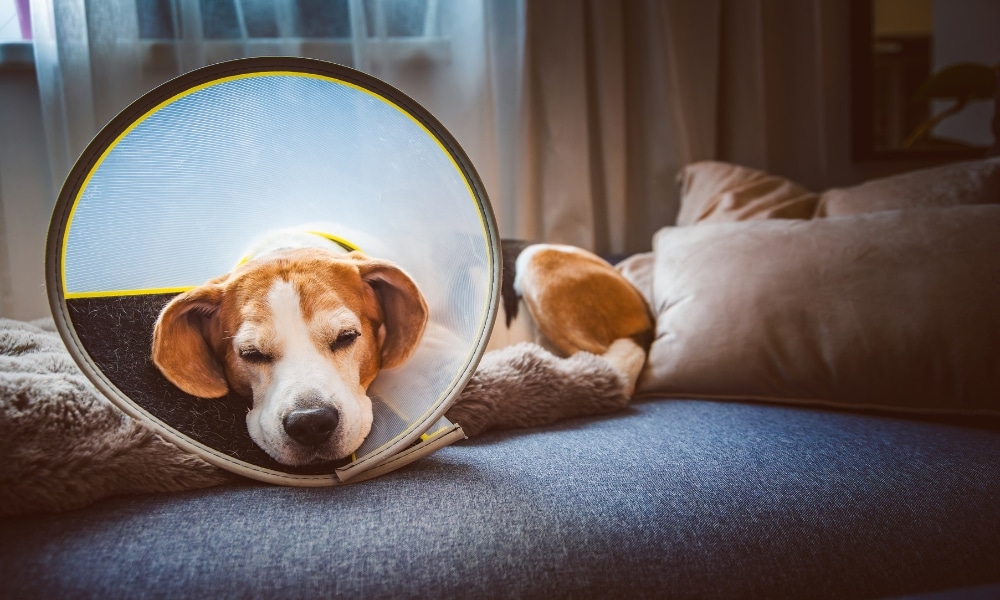
Your dog suddenly starts limping after playing in the yard. Maybe they refuse to put weight on one back leg or struggle to stand after resting. These changes can be signs of a cranial cruciate ligament (CCL) injury, commonly called an ACL tear in dogs. This injury affects knee stability and can make everyday activities painful. Understanding the available treatments helps you make informed decisions about your dog’s mobility and long-term comfort.
For dog owners in Overland Park, choosing between TPLO surgery, other surgical procedures, and nonsurgical care can feel overwhelming. Each option has different benefits, limitations, and recovery requirements. This guide explains how these treatments work, when surgery may be necessary, and what to expect during recovery.
What Is an ACL Tear in Dogs?
The cranial cruciate ligament connects the thighbone (femur) and shinbone (tibia) inside a dog’s knee, also called the stifle joint. It helps prevent abnormal forward movement of the tibia and keeps the joint stable during walking, running, and jumping.
Unlike many human ACL injuries, canine CCL tears often develop gradually as the ligament weakens. A sudden movement can cause a partially damaged ligament to tear completely.
Common signs include:
- Limping or avoiding weight on one hind leg
- Difficulty standing after lying down
- Hesitation when climbing stairs or jumping
- Swelling around the knee
- Sitting with one hind leg extended outward
- Reduced interest in walks or physical activity
Some dogs continue walking despite significant ligament damage. However, untreated instability can contribute to cartilage damage, meniscal injuries, and progressive arthritis. A veterinary examination is necessary to confirm the injury and determine whether surgery is appropriate.
Does Every Dog With an ACL Tear Need Surgery?
Not every dog requires immediate surgery. Treatment depends on the severity of the injury, body weight, activity level, age, and overall health.
Small dogs with partial tears or limited activity requirements may improve with carefully managed nonsurgical treatment. However, larger and more active dogs frequently benefit from surgical stabilization.
Veterinarians also consider whether the knee remains unstable during examination. Persistent instability can make normal movement uncomfortable and increase the likelihood of additional joint damage.
When evaluating a possible ligament injury, our vets assess the dog’s mobility, examine the affected knee, and discuss appropriate diagnostic testing. This helps determine whether surgical treatment or conservative management deserves consideration.
What Is TPLO Surgery for Dogs?
Tibial Plateau Leveling Osteotomy (TPLO) is a surgical procedure used to stabilize a dog’s knee after a cranial cruciate ligament tear.
Instead of replacing the damaged ligament, this procedure changes the angle of the upper tibia. This reduces the forces that cause abnormal movement within the knee when the dog bears weight.
During the procedure, the surgeon makes a controlled cut in the tibia, rotates the upper portion, and secures the bone with a specialized plate and screws.
Why Do Veterinarians Recommend this Treatment?
This procedure is frequently recommended for medium to large dogs, especially those with active lifestyles.
Potential benefits include:
- Improved stability during weight-bearing activities
- Better long-term limb function
- Reduced abnormal movement within the knee
- An opportunity to return to regular physical activity after rehabilitation
However, TPLO requires bone healing and careful postoperative management. Possible complications include infection, implant problems, delayed bone healing, and persistent lameness.
TPLO does not eliminate existing arthritis or guarantee that arthritis will stop progressing.
What Other Surgical Options Treat Dog ACL Tears?
It is not the only surgical approach. Other procedures may be appropriate depending on the dog’s size, anatomy, activity level, and medical condition.
Tibial Tuberosity Advancement (TTA)
TTA changes the position of the tibial tuberosity, where the patellar tendon attaches. The procedure adjusts the forces acting on the knee during movement, helping stabilize the joint without reconstructing the damaged ligament.
The process may be suitable for certain medium and large dogs. However, the dog’s knee anatomy influences whether this approach is appropriate. Like TPLO, TTA requires postoperative restrictions and rehabilitation while the bone heals.
Extracapsular Lateral Suture Stabilization
This technique uses a strong synthetic suture placed outside the joint to limit abnormal knee movement. Over time, scar tissue develops around the joint and contributes to stability.
The procedure may be considered for smaller dogs, less active patients, or dogs with particular medical needs. However, the suture can stretch or break, and the procedure may provide less reliable stability in some large or highly active dogs.
Other Osteotomy Procedures
Certain dogs may benefit from other bone-altering procedures, such as a cranial closing wedge osteotomy. These techniques are generally considered when specific anatomical features make them appropriate. A veterinarian with orthopedic surgical training can explain which procedures are suitable after reviewing the dog’s examination findings and imaging.
Can a Dog Recover From an ACL Tear Without Surgery?
Some dogs can regain comfortable function without surgery, particularly when the injury is partial, or the dog is small and relatively inactive. Conservative treatment generally involves several coordinated measures.
Controlled activity: Running, jumping, and rough play are restricted to prevent additional injury.
- Veterinary-prescribed medication: Appropriate pain relief and anti-inflammatory treatment may reduce discomfort.
- Weight management: Maintaining a healthy body weight reduces unnecessary pressure on the injured knee.
- Physical rehabilitation: Guided exercises can support muscle strength and joint function.
- Home modifications: Nonslip flooring, supportive bedding, and ramps can make movement easier.
Although these measures may improve comfort, they do not restore a completely torn ligament. Persistent knee instability may remain, and some dogs eventually require surgery.
Never give human pain medication to your dog without veterinary approval.
How Do Veterinarians Diagnose an ACL Tear?
Diagnosing a CCL injury begins with a physical examination and a discussion of the dog’s symptoms. A veterinarian may perform specific orthopedic tests to evaluate knee instability.
The cranial drawer test checks for abnormal forward movement of the tibia. The tibial compression test assesses instability during simulated weight-bearing. Some dogs require sedation to allow a more accurate examination when pain or muscle tension makes testing difficult.
X-rays cannot directly show most ligament tears, but they help identify joint swelling, arthritic changes, and other bone-related concerns. They are also important when planning certain surgical procedures. If the diagnosis remains uncertain, additional imaging or referral may be recommended.
What Should You Expect During Recovery After Dog ACL Surgery?
Recovery requires patience, consistent supervision, and strict adherence to postoperative instructions. Most dogs need several months before returning to unrestricted activity, although the timeline varies by procedure and individual healing.
The First Two Weeks
Activity is usually limited to short, controlled leash walks for bathroom breaks. Owners must prevent running, jumping, and stair climbing whenever possible. The incision should be monitored for redness, discharge, or unusual swelling.
Weeks Three Through Eight
Depending on the procedure and healing progress, the veterinarian may gradually increase controlled movement. Follow-up examinations and, for bone procedures such as TPLO, repeat X-rays help determine whether healing is progressing appropriately.
Eight to Twelve Weeks and Beyond
Some dogs begin more structured strengthening exercises as healing permits. Returning to unrestricted running, jumping, or sports may take several additional months. The veterinary team should approve activity increases rather than relying only on how energetic the dog appears.
How Can Veterinary Care Support Your Dog’s Recovery?
Successful recovery involves more than the surgical procedure itself. Pain control, activity management, rehabilitation, and follow-up examinations all contribute to long-term function.
Our veterinary practice emphasizes individualized preoperative evaluations, including bloodwork when anesthesia is required. We also discuss pain management and provide written postoperative care instructions.
For dogs with suspected ligament injuries, an examination can help establish the next steps. When advanced orthopedic treatment is indicated, the appropriate surgical options and referral needs can be discussed. Our goal is to help owners understand their dog’s condition and make informed decisions without unnecessary uncertainty.
Help Your Dog Move Comfortably Again
An ACL tear can make simple activities difficult, from climbing stairs to enjoying a familiar walk. Choosing the right treatment begins with understanding the injury and identifying the approach most appropriate for your dog’s needs. Early veterinary attention can help manage discomfort and reduce the risk of further joint damage.
If your dog is limping, struggling to stand, or showing signs of knee pain, contact Blue Valley Animal Hospital in Overland Park. Our vets can evaluate your dog’s condition, explain available treatment options, and help you plan the next steps toward improved mobility.
Call (913) 681-2818 to learn more about our veterinary surgery services and schedule an appointment.
Frequently Asked Questions
Q1. Is TPLO Better Than Other ACL Surgeries for Dogs?
Ans. TPLO can provide reliable knee stabilization, particularly for larger and more active dogs. However, TTA and extracapsular techniques may be appropriate for other patients. The most suitable procedure depends on knee anatomy, activity level, and individual medical needs.
Q2. How Long Does It Take for a Dog to Walk Normally After TPLO Surgery?
Ans. Many dogs begin using the operated leg during the early recovery period. However, comfortable walking does not mean the bone has completely healed. Recovery commonly takes several months, with follow-up examinations determining when normal activities can resume.
Q3. Can a Dog Tear the ACL in the Other Leg?
Ans. Yes. Dogs with a CCL injury in one knee have an increased risk of developing a similar problem in the opposite knee. Weight management, controlled exercise, and monitoring for early limping can help owners recognize possible problems.
Q4. Where Can I Get My Dog Evaluated for an ACL Injury in Overland Park?
Ans. Blue Valley Animal Hospital in Overland Park can help evaluate your dog’s limping and mobility concerns. Our veterinary team can assess the injury, discuss diagnostic findings, and explain appropriate treatment or referral options.
Q5. Does Blue Valley Animal Hospital Provide Surgical Evaluations for Dogs in Overland Park?
Ans. Yes. Blue Valley Animal Hospital provides veterinary surgery services and preoperative evaluations in Overland Park. Our vets review each patient’s health, discuss anesthesia considerations, and explain postoperative care. Specific orthopedic procedures, including TPLO, should be confirmed directly with our team.
Q6. How Can Blue Valley Animal Hospital Help My Dog Recover After Surgery in Overland Park?
Ans. Blue Valley Animal Hospital provides individualized pain management guidance and written postoperative instructions. Our veterinary team also addresses owners’ questions about recovery and home care. We can discuss appropriate follow-up needs based on your dog’s procedure and condition.