16200 Metcalf Ave, Overland Park, KS 66085

Hair Loss in Cats: Medical Causes From Stress to Ringworm to Hormones
By Blue Valley Animal Hospital | May 19, 2026
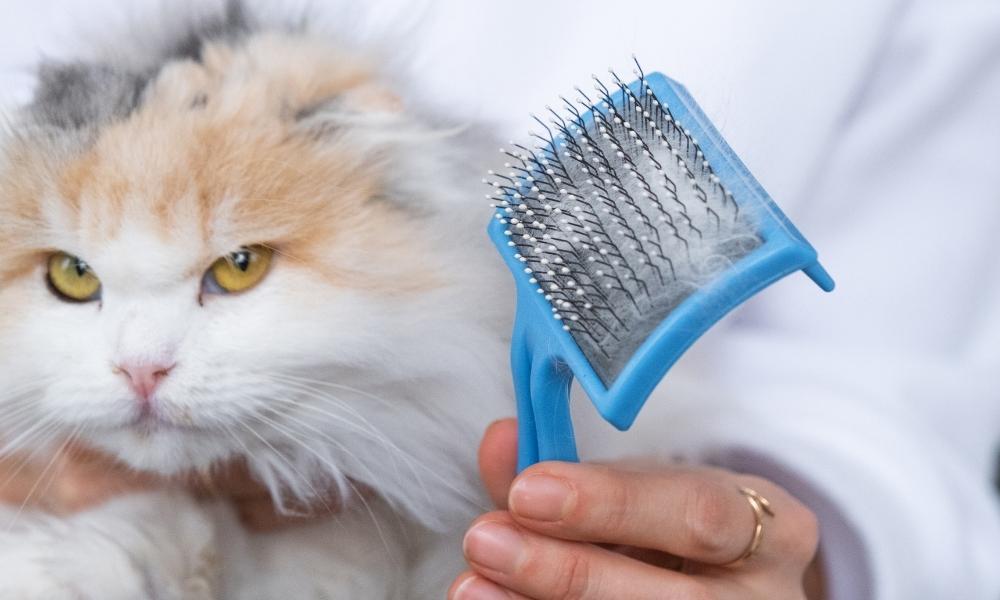
Cats love to groom themselves, but sometimes they may develop bald spots, thinning fur, or shed a lot, which can be worrying. Hair loss, known as feline alopecia, might happen due to stress or health problems. It’s good to keep an eye on these signs and consult a vet if needed.
Some cats lose hair gradually, while others develop sudden bald patches. Skin irritation, infections, allergies, hormonal imbalances, and behavioral issues can all play a role. Understanding the possible causes of hair loss in cats can help pet owners recognize when veterinary dermatology care may be needed.
At Blue Valley Animal Hospital in Overland Park, the veterinarians help diagnose and manage a wide range of feline skin and coat conditions to support long-term comfort and health.
What Is Hair Loss in Cats?
Hair loss in cats refers to partial or complete loss of fur in one or more areas of the body. Some cats lose hair evenly across the coat, while others develop noticeable bald patches.
Hair loss may result from excessive grooming, itching, inflammation, or underlying medical conditions affecting the skin and hair follicles. In some cases, the skin underneath appears red, scaly, irritated, or infected.
Cats naturally shed throughout the year, especially during seasonal changes. Normal shedding should not cause bald spots or obvious thinning. Visible patches of missing hair usually indicate an underlying issue that should be evaluated.
Common Signs Associated With Hair Loss in Cats
Hair loss often appears alongside other symptoms involving the skin and coat. Paying attention to these changes may help identify the underlying cause sooner.
Signs commonly seen with feline hair loss include:
- Bald spots
- Excessive grooming
- Scratching or biting the skin
- Red or inflamed skin
- Scabs or crusting
- Flaky skin
- Changes in coat texture
- Ear irritation
- Restlessness or anxiety
Some cats hide discomfort very well, making subtle changes easy to overlook during the early stages.
Stress and Anxiety-Related Hair Loss in Cats
Stress is one of the more common nonmedical causes of hair loss in cats. Cats may excessively groom themselves when feeling anxious or unsettled. Repeated licking can eventually remove large amounts of fur, especially on the belly, legs, and sides.
Stress-related grooming may develop after:
- Moving to a new home
- Changes in routine
- New pets in the household
- Loud noises
- Conflict with other animals
- Separation anxiety
Cats dealing with stress often groom in private, so owners may notice hair loss before observing the behavior itself.
Stress-related alopecia usually leaves the skin looking relatively normal underneath. Veterinary evaluation remains important, as medical conditions can also trigger overgrooming behaviors.
Ringworm in Cats
Ringworm is a contagious fungal infection that commonly causes hair loss in cats. Despite the name, ringworm is not caused by worms. The infection affects the skin, hair, and sometimes the nails.
Kittens, senior cats, and cats with weakened immune systems may be more vulnerable to ringworm infections.
Signs of ringworm in cats may include:
- Circular bald patches
- Scaly skin
- Broken hairs
- Crusting
- Redness
- Excessive grooming
Ringworm can spread to other pets and humans through direct contact or contaminated surfaces. Veterinary diagnosis is important since many skin conditions can resemble ringworm.
Testing may involve fungal cultures, microscopic examination, or special ultraviolet light evaluation.
Allergies and Hair Loss in Cats
Allergies can cause significant itching and inflammation in cats, often leading to hair loss from scratching and grooming.
Common allergy triggers include:
- Fleas
- Food ingredients
- Environmental allergens
- Dust mites
- Pollen
Flea allergy dermatitis is one of the most common allergic skin conditions in cats. Even a small number of flea bites may trigger intense irritation in sensitive cats.
Hair loss caused by allergies often affects the lower back, neck, tail base, and belly. Secondary skin infections may also develop if irritation becomes severe.
Managing allergies usually involves identifying triggers and controlling inflammation and itching.
Parasites That Cause Hair Loss in Cats
External parasites are another common cause of feline alopecia. Tiny parasites can irritate the skin and trigger scratching, inflammation, and fur loss.
Parasites associated with hair loss include:
- Fleas
- Mites
- Lice
- Ticks
Mange caused by mites may lead to crusting, redness, and patchy fur loss. Some parasitic conditions are highly contagious between animals.
Routine parasite prevention remains one of the most effective ways to reduce the risk of skin irritation and hair loss related to external pests.
Hormonal Conditions and Hair Loss in Cats
Hormonal imbalances can affect skin health and hair growth in cats. Endocrine disorders may interfere with the normal hair growth cycle, leading to thinning fur or symmetrical hair loss.
Medical conditions associated with hormonal hair loss may include:
- Hyperthyroidism
- Cushing’s disease
- Diabetes
- Hormonal imbalances involving the adrenal glands
Cats with hormonal disorders may also show additional symptoms such as weight changes, increased thirst, appetite changes, or changes in activity levels.
Hair loss linked to hormonal conditions often develops gradually and may not cause significant itching initially.
Skin Infections and Hair Loss in Cats
Bacterial and yeast infections can damage the skin and contribute to hair loss. Infections may develop on their own or secondary to allergies, parasites, or excessive grooming.
Common signs of skin infections include:
- Redness
- Odor
- Crusting
- Pimples or bumps
- Oily skin
- Itching
Cats with chronic skin infections may become uncomfortable and irritable. Untreated infections can worsen over time and spread to larger areas of the body.
Veterinary treatment may involve medicated shampoos, topical therapies, or oral medications, depending on the severity of the infection.
Pain-Related Overgrooming in Cats
Cats sometimes groom excessively over painful areas of the body. Joint pain, arthritis, bladder discomfort, or internal pain may lead to localized hair loss.
Owners may notice thinning fur over:
- The abdomen
- Hips
- Lower back
- Legs
Identifying pain-related grooming can be challenging without a veterinary exam, since the skin may look normal. Senior cats are especially susceptible to overgrooming and discomfort caused by arthritis.
How Veterinarians Diagnose Hair Loss in Cats
Diagnosing the cause of hair loss often requires a detailed evaluation. Several skin conditions can appear very similar on the surface.
Veterinarians may perform:
- Physical examination
- Skin scrapings
- Flea checks
- Fungal testing
- Blood work
- Allergy assessments
- Microscopic evaluation of hair and skin
Medical history also plays an important role. Information about diet, environment, behavior changes, and symptom timing can help narrow down possible causes.
Additional testing may be recommended if hormonal disorders or chronic medical conditions are suspected.
Treatment for Hair Loss in Cats
Treatment depends entirely on the underlying cause of the alopecia. Managing the source of irritation or illness is the most important step toward improving coat health.
Treatment options may include:
- Flea prevention
- Antifungal medications
- Allergy management
- Dietary adjustments
- Stress reduction strategies
- Medications for infections
- Hormonal therapy
- Pain management
Some cats improve quickly once treatment begins, while chronic skin conditions may require long-term management. Regular follow-up visits can help monitor progress and adjust treatment plans as needed.
The Right Time to Contact a Veterinarian
Hair loss should never be ignored when it is persistent, spreading, or accompanied by skin irritation. Early veterinary care may help prevent worsening discomfort and complications.
Schedule a veterinary visit if your cat develops:
- Bald patches
- Excessive grooming
- Red or irritated skin
- Scabs or crusting
- Persistent itching
- Sudden coat thinning
- Changes in appetite or behavior
Cats are very good at hiding discomfort. Subtle skin and coat changes may sometimes be the first visible sign of an underlying medical issue.
If your cat is experiencing hair loss, skin irritation, or excessive grooming, book an appointment with Blue Valley Animal Hospital in Overland Park. Our veterinary team can evaluate your cat’s skin and coat health, identify possible underlying causes, and recommend treatment options focused on long-term comfort and wellness.
FAQs
Q1. Is hair loss in cats always a medical problem?
Ans. Not always. Some cats lose hair due to stress-related overgrooming or mild seasonal shedding. A veterinarian should still evaluate persistent bald spots or irritated skin.
Q2. Is ringworm dangerous to humans?
Ans. Ringworm is contagious and can spread to humans and other pets. Proper diagnosis and treatment are important to reduce transmission.
Q3. Why is my cat licking fur off their belly?
Ans. Cats may overgroom their bellies due to stress, allergies, pain, parasites, or skin irritation. Veterinary evaluation helps determine the underlying cause.
Q4. Can fleas cause hair loss even if I do not see them?
Ans. Yes. Flea allergy dermatitis can develop from only a few flea bites, and cats often groom fleas away before owners notice them.
Q5. Will my cat’s fur grow back after treatment?
Ans. In many cases, fur regrows once the underlying condition is treated successfully. Recovery time may vary depending on the cause and severity of the hair loss.