16200 Metcalf Ave, Overland Park, KS 66085

Halloween Escape Risks: Why Indoor Cats Need Extra Protection
By Blue Valley Animal Hospital | October 12, 2026
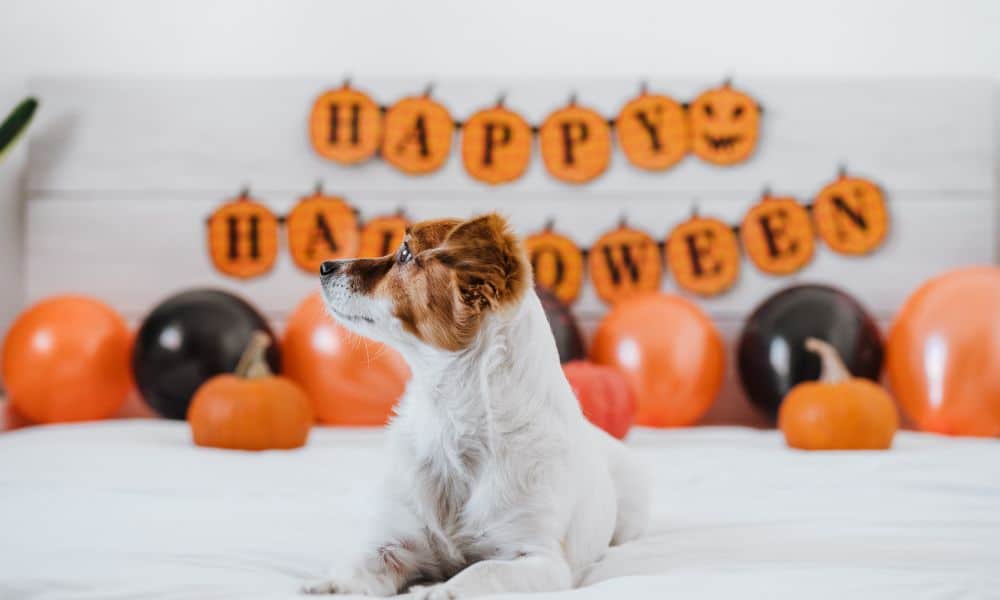
Halloween can turn an ordinary evening at home into a busy, noisy night. The doorbell rings repeatedly. Children and neighbors gather outside. Costumes, decorations, unfamiliar voices, and flashing lights can change the atmosphere your cat knows.
For an indoor cat, those changes can be stressful and unpredictable. A cat that normally shows little interest in going outdoors may suddenly hide, panic, or dash toward an open door.
Preparing your home before trick-or-treating starts can lower the chance of an escape. It can also help protect your cat from injuries and other Halloween hazards that may require urgent vet care.
Why Can Halloween Increase Escape Risks for Indoor Cats?
Cats pay close attention to changes in their surroundings. Halloween can bring many unfamiliar sights, sounds, and smells into their territory within a few hours.
Repeated knocking and doorbells may be unsettling. Visitors wearing masks or bulky costumes can also look unfamiliar to a cat. Children may shout or run near the house. Decorations can move, flash, or make sounds.
At the same time, the front door may open dozens of times as treats are handed out.
The ASPCA recommends keeping most cats and dogs in a separate, comfortable room away from the front door during peak trick-or-treating hours. The organization also notes that increased street activity and unusual costumes can frighten pets and cause them to bolt.
Even a cat that has lived indoors for years can react differently when frightened.
Indoor Cats May Not Be Prepared for Life Outside
An indoor-only cat usually experiences the outdoors from behind a window or screen. Getting outside unexpectedly is very different.
Once outdoors, a frightened cat may encounter:
- Moving vehicles
- Unfamiliar dogs or other animals
- Crowds of trick-or-treaters
- Loud voices and sudden noises
- Unfamiliar yards, garages, and sheds
- Cold or wet weather
- Toxic substances
- Roads and parking areas
A scared cat may not behave the way you expect. Instead of coming when called, the cat may hide under a porch, vehicle, bush, or other small space.
That is why preventing an escape is much safer than relying on being able to catch your cat afterward.
Create a Secure Room Before Trick-or-Treaters Arrive
One of the simplest Halloween precautions is setting up a quiet room before neighborhood activity becomes busy. Choose a room that can be closed securely and is away from your main entrance. Put your cat’s usual necessities inside, including fresh water, a litter box, comfortable bedding, and familiar toys.
If your cat enjoys hiding, provide a safe place where they can retreat voluntarily. A cardboard box, covered cat bed, or familiar carrier with the door open may work. Move your cat into the room before visitors begin arriving. Waiting until your cat is already frightened can make moving them more difficult. Ask family members and guests not to open the room unnecessarily.
Watch More Than the Front Door
The main entrance is not the only possible escape route.
During Halloween parties or family gatherings, people may open patio doors, garage doors, side entrances, or windows without realizing a cat is nearby.
Check screens and doors before Halloween evening. Make sure damaged screens, loose latches, or other possible exit points are addressed beforehand.
If guests are coming over, tell them that your cat must remain indoors. A visitor who does not own pets may not realize how quickly a cat can slip through a partially opened door.
Young children may also need a reminder not to open the cat’s room.
Make Sure Your Cat Can Be Identified
Identification matters even for cats that never intentionally go outside. Check that your cat’s identification information is current before Halloween. If your cat wears a collar, make sure it fits correctly and includes readable identification.
If your cat is microchipped, verify that the contact details associated with the chip are up to date. A microchip does not track your cat’s location. However, it can help a veterinary hospital or shelter identify your cat if someone finds them and has the chip scanned.
The ASPCA recommends identification tags and microchipping as precautions because pets can slip outside during frequent Halloween door activity.
Do Not Chase a Cat That Slips Outside
Seeing your indoor cat run through the door can be frightening. Your first instinct may be to run after them. Chasing can sometimes frighten a cat further and cause them to run farther away.
Instead, reduce surrounding activity as much as possible. Ask people nearby to remain quiet and give the cat space. Look carefully around the immediate property, especially under porches, decks, bushes, parked vehicles, stairs, and other covered areas. Frightened indoor cats may look for somewhere to hide.
Bring familiar items outside if appropriate, such as the cat’s carrier or bedding. Continue checking nearby hiding places carefully. If you find your cat, approach slowly rather than rushing toward them.
Check Your Cat Carefully After an Escape
Finding your cat and bringing them home is a major relief, but your job is not necessarily finished. Examine your cat for anything unusual. Depending on what happened outdoors, an escaped cat could have experienced trauma, an animal encounter, a fall, or exposure to something harmful.
Look for concerning changes such as:
- Bleeding or visible wounds
- Limping
- Difficulty standing
- Trouble breathing
- Unusual weakness
- Collapse
- Severe swelling
- Signs of significant pain
- Vomiting or diarrhea
- Possible toxin exposure
- Bite or puncture wounds
Some injuries may not be obvious immediately. Cats can also hide pain or withdraw when they are uncomfortable.
Contact a veterinarian when you are concerned about your cat’s condition after an escape. Serious trauma, breathing difficulty, uncontrolled bleeding, collapse, seizures, and suspected toxic ingestion are among the conditions that warrant prompt veterinary attention.
Halloween Hazards Can Follow an Escaped Cat Back Indoors
Escaping is not the only Halloween concern for cats. Candy wrappers, decorations, electrical cords, candles, costume accessories, and glow sticks may all attract a curious cat.
Cats may play with shiny candy wrappers, and swallowed wrappers can cause gastrointestinal problems, including obstruction. Curious kittens can also suffer burns around open flames.
Glow sticks deserve attention as well. Cats sometimes bite or puncture them. The liquid has an extremely bitter taste and can cause noticeable drooling and agitated behavior.
Keep Halloween supplies out of your cat’s secure room. A quiet room is only useful when it is also free from potential hazards.
What If Your Cat Becomes Extremely Stressed on Halloween?
Not every frightened cat tries to escape. Some hide for hours. Others may vocalize, pace, refuse food, become defensive, or avoid normal interaction.
Give your cat space and reduce noise around them. Avoid repeatedly pulling a frightened cat from a hiding place.
If you already know that your cat struggles with visitors, loud noises, or household changes, discuss the situation with your veterinarian before Halloween. Planning ahead gives you time to determine appropriate ways to make the evening less stressful. Never give your cat human medication or another pet’s medication unless your veterinarian specifically instructs you to do so.
A Simple Halloween Safety Checklist for Indoor Cats
Before Halloween evening becomes busy, take a few minutes to prepare.
- Set up a quiet, secure room.
- Move your cat there before trick-or-treating begins.
- Close windows and check screens.
- Keep exterior doors securely closed.
- Tell visitors that your cat must remain indoors.
- Check identification information.
- Confirm microchip contact details if your cat is chipped.
- Remove candy, wrappers, cords, candles, and small decorations.
- Keep a carrier easy to access.
- Save your veterinary clinic’s phone number in your phone.
- Know where you would seek veterinary attention if an accident occurs.
A little preparation can prevent a frightening search later in the evening.
Keep Your Indoor Cat Safe Behind Closed Doors This Halloween
Halloween should not turn into a night spent searching the neighborhood for a frightened cat. Preparing a secure room, controlling access to exterior doors, checking identification, and removing holiday hazards can make a meaningful difference.
If an accident does happen, prompt attention matters. For urgent vet care, call (913) 681-2818. Current extended urgent-care hours are Monday through Thursday, 6:00 PM to 8:00 PM. If a case requires services the hospital cannot provide, the team may refer the pet to an appropriate 24-hour urgent-care facility.
Frequently Asked Questions
Q1. Why would my indoor cat suddenly try to escape on Halloween?
Ans. Halloween creates unusual activity around the home. Doorbells, strangers, costumes, loud voices, and repeatedly opened doors can frighten or overstimulate a cat. A frightened cat may run toward an opening even if they normally show no interest in going outside.
Q2. Where should I keep my cat during trick-or-treating?
Ans. A secure room away from the main entrance is usually a practical choice. Provide water, a litter box, bedding, toys, and a comfortable hiding place. Keep the door closed while visitors are arriving.
Q3. Where can I get help if my cat is injured after escaping in Overland Park?
Ans. If your cat returns with an injury or concerning symptoms, contact Blue Valley Animal Hospital for guidance. The hospital provides urgent veterinary services in Overland Park and can evaluate conditions that require prompt medical attention.
Q4. Does my indoor cat still need identification for Halloween?
Ans. Yes. Indoor cats can escape unexpectedly, especially when exterior doors are opening frequently. An identification tag and registered microchip can help connect a found cat with their family.
Q5. Can I seek urgent veterinary help for my cat during evening hours in Overland Park?
Ans. Blue Valley Animal Hospital currently offers extended urgent-care hours Monday through Thursday from 6:00 PM to 8:00 PM. The practice recommends calling if you are unsure whether your pet’s condition requires urgent attention.
Q6. What Halloween-related problems can Blue Valley Animal Hospital help with?
Ans. Blue Valley Animal Hospital provides urgent care for problems including wounds, trauma, suspected toxic ingestion, sudden lameness, vomiting, diarrhea, and pets that are suddenly unwell. Available urgent-care capabilities include blood analysis, digital X-rays, medication, and certain surgical procedures. Cases requiring a level of care the hospital cannot provide may be referred to an appropriate 24-hour facility.