16200 Metcalf Ave, Overland Park, KS 66085
How to Prepare Your Dog for Surgery: Pre-Op Guide
By Blue Valley Animal Hospital | April 17, 2026
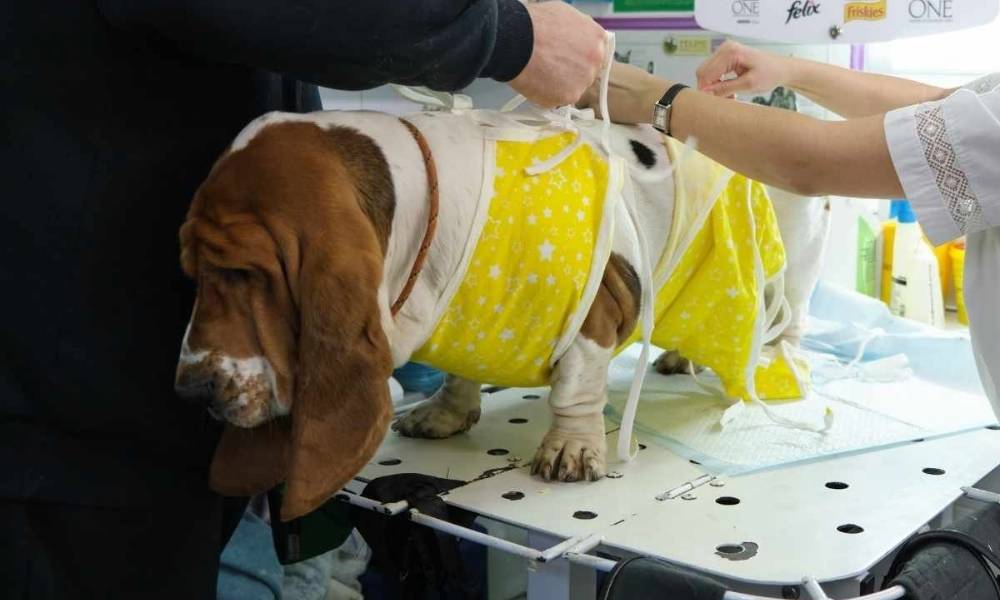
Finding out your dog needs surgery can feel overwhelming. Whether it’s a routine spay or neuter, a soft tissue procedure, or something more complex, the days leading up to the operation play a critical role in your dog’s safety and recovery. As a dog owner, you’re not helpless during this time – in fact, your preparation at home can make a significant difference in how smoothly everything goes.
This guide walks you through everything you need to know before your dog’s surgical procedure, from dietary restrictions to emotional preparation. While every dog is different and your veterinarian will provide specific instructions tailored to your pet, this guide is designed to help all dog owners – regardless of breed, age, or location – feel more informed and confident heading into surgery day.
Step 1: Understand What the Surgery Involves
Before anything else, ask your veterinarian to walk you through the full procedure. Understanding what type of surgery your dog is having helps you ask the right questions and set realistic expectations for recovery. Don’t hesitate to ask about:
- The purpose of the procedure
- Estimated duration of surgery
- Type of anesthesia being used
- Expected recovery timeline
- Potential risks or complications
Being informed isn’t just comforting – it helps you follow post-op care instructions more effectively.
Step 2: Follow Fasting Instructions Carefully
One of the most important pre-surgery requirements is fasting. In most cases, dogs should not eat for 8 to 12 hours before surgery. This is critical because anesthesia can cause nausea, and a full stomach increases the risk of aspiration, which can be life-threatening.
Key fasting guidelines include:
- Remove food the night before, typically after 10 PM
- Water may be allowed until a certain point – confirm with your vet
- Do not sneak your dog any treats or table scraps, even small amounts
- If your dog accidentally eats something, notify your vet immediately – the surgery may need to be rescheduled
This step is non-negotiable and should be strictly followed for your dog’s safety.
Step 3: Keep Up With Medications – But Confirm First
If your dog takes daily medications, do not automatically give them on the morning of surgery. Some medications are safe to continue, while others may interfere with anesthesia or blood clotting.
Always call your veterinarian’s office ahead of time and provide a complete list of:
- Prescription medications
- Over-the-counter supplements
- Flea, tick, or heartworm preventatives
- Herbal or natural remedies
Your vet will advise you on which ones to continue, pause, or adjust before the procedure.
Step 4: Handle Pre-Surgery Bloodwork and Diagnostics
Most responsible veterinary practices will recommend pre-anesthetic bloodwork before any surgical procedure. This helps identify underlying conditions that could complicate anesthesia, such as kidney disease, liver issues, or anemia – even in dogs that appear perfectly healthy.
Additional diagnostics may include:
- Chest X-rays for older dogs
- Urinalysis
- EKG or cardiac evaluation for breeds prone to heart issues
These tests are especially important for senior dogs or those with pre-existing health conditions. Don’t skip this step even if it feels like an extra expense – it’s a safety net that could save your dog’s life.
Step 5: Create a Comfortable Recovery Space at Home – in Advance
You won’t have much energy or time to set things up after surgery, so prepare your dog’s recovery space before the procedure. A clean, quiet, and comfortable area will help your dog heal faster and with less stress.
Your recovery setup should include:
- A clean, soft bed or crate in a low-traffic area
- Easy access to water and food bowls at ground level
- Baby gates to limit stairs or jumping
- Old towels or washable blankets (post-surgery mess is common)
- A cone or e-collar to prevent licking of incision sites
Keep the space away from other pets and children during the initial recovery period.
Step 6: Prepare for Drop-Off Day
The morning of surgery can feel stressful for both you and your dog. Dogs are remarkably perceptive and may pick up on your anxiety, so try to stay calm and composed. Here’s how to make drop-off as smooth as possible:
- Arrive on time – late arrivals can disrupt scheduling for all patients
- Bring your dog’s health records if not already on file
- Bring any medications your vet asked you to bring along
- Avoid long emotional goodbyes – keeping your departure brief actually reduces your dog’s anxiety
- Leave your contact information and make sure your phone is on all day
Ask the clinic what their communication policy is during surgery – most will call or text you when the procedure is complete.
Step 7: Know the Signs of Post-Surgery Complications
While this is a pre-op guide, knowing what to watch for after surgery is part of your preparation. Complications are rare but do happen, and quick action matters.
Contact your vet immediately if you notice:
- Excessive bleeding from the incision site
- Swelling, discharge, or foul odor around the wound
- Your dog not eating or drinking for more than 24 hours post-surgery
- Vomiting or diarrhea that persists
- Signs of extreme lethargy or unresponsiveness
- Difficulty breathing
Having this list ready before surgery means you won’t be scrambling to figure out what’s normal if something seems off.
The Role of Veterinary Surgery in Your Dog’s Long-Term Health
Modern veterinary surgery has come a long way in terms of safety, precision, and recovery outcomes. Procedures that once carried significant risk are now performed routinely with advanced equipment and highly trained surgical teams. Whether your dog is undergoing an elective procedure or an emergency operation, working with a qualified veterinary team ensures your pet receives care built on both science and compassion.
Understanding that veterinary surgery is not just a clinical event but a carefully managed process from pre-op bloodwork to anesthesia monitoring to post-op care can help dog owners approach the entire experience with more confidence and less fear.
Preparation Is the Best Thing You Can Do
Your dog can’t prepare for surgery – but you can. From following fasting instructions to setting up a recovery space, every step you take before surgery day contributes to a safer, smoother experience. Don’t hesitate to call your veterinary clinic with questions, no matter how small they seem. A well-informed pet owner is truly a dog’s best advocate.
If your dog has an upcoming procedure and you’d like to speak with a compassionate, experienced surgical team, contact us at Blue Valley Animal Hospital to learn more about how we can support your dog’s surgical journey from start to finish.
FAQs
Q1. How long before surgery should my dog stop eating?
Ans. Most veterinarians recommend withholding food for 8 to 12 hours before the procedure. Water may be allowed up to a few hours before, but always confirm the exact instructions with your vet since individual cases may vary.
Q2. Can I stay with my dog during the surgery?
Ans. Generally, pet owners are not permitted in the surgical suite for safety and sterility reasons. However, most clinics will keep you updated throughout the procedure and notify you when your dog is in recovery.
Q3. Is it normal for my dog to be groggy after anesthesia?
Ans. Yes, grogginess, mild disorientation, and sleepiness are completely normal in the first 12 to 24 hours after anesthesia. If extreme lethargy continues beyond that window, contact your veterinarian.
Q4. Should I bathe my dog before surgery?
Ans. It’s generally best to give your dog a bath a day or two before surgery, not on the day of. You won’t be able to bathe your dog easily after surgery, and a clean coat helps reduce infection risk around the incision site.
Q5. What if my dog is nervous or anxious before surgery?
Ans. Speak with your vet ahead of time. In some cases, a mild anti-anxiety medication or calming supplement may be appropriate. Avoid over-consoling your dog, as this can sometimes increase anxiety rather than reduce it.
Q6. How soon after surgery can my dog eat and drink?
Ans. Most dogs can have a small amount of water a few hours after waking from anesthesia and a light meal the evening of surgery. Your vet will provide specific dietary instructions based on the type of procedure performed.