16200 Metcalf Ave, Overland Park, KS 66085

Preventive Care for Dogs & Cats: How Early Vet Visits Extend Pet Lifespan
By Blue Valley Animal Hospital | April 4, 2026
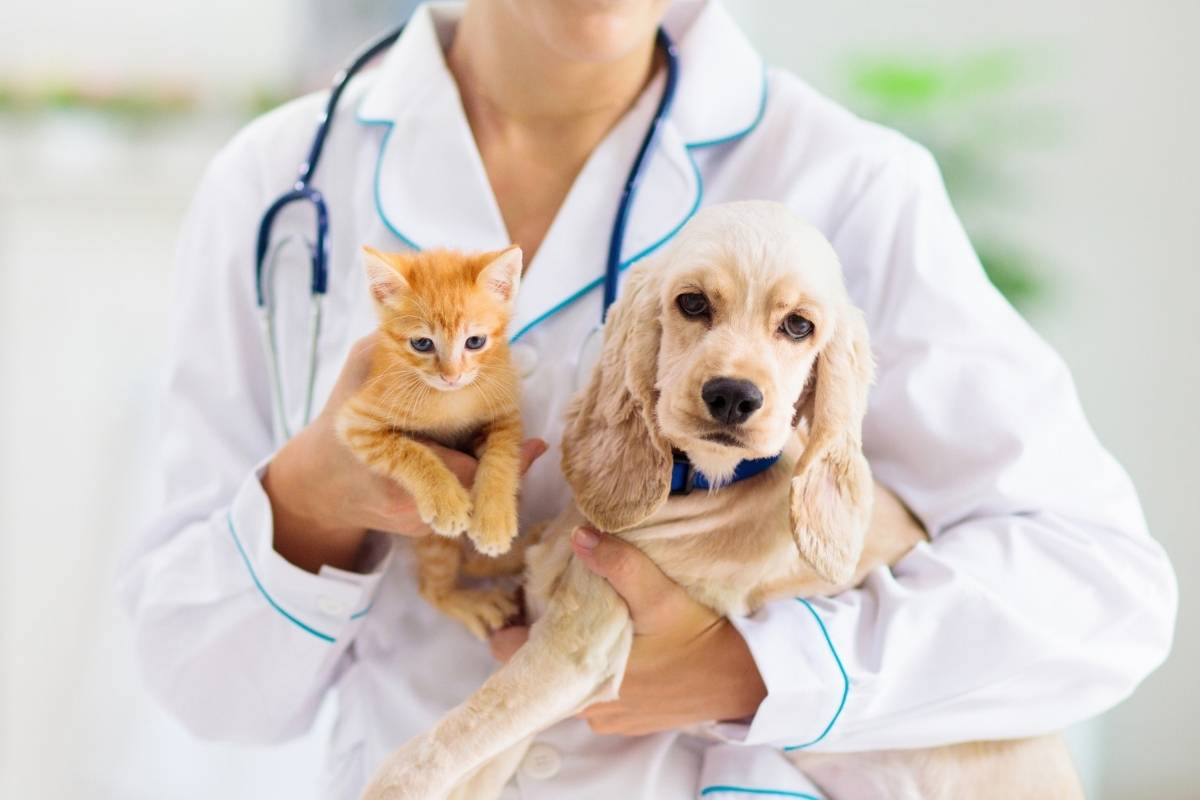
When you first bring your pet home, their health is one of the first things you’ll think about. You want them to live a long, healthy life full of happiness and joy. Many pet owners are unaware of the profound impact that early preventive care can have on their pet’s overall well-being. By scheduling regular visits to the vet, you’re not only ensuring that your dog or cat stays healthy, but you’re also preventing serious health issues before they become costly and challenging to treat. This blog is especially for pet owners in Overland Park, KS, who want to ensure their furry friends live the healthiest lives possible.
This guide will take you through the importance of preventive care for your dog or cat and how early vet visits can make a significant difference in their health. If you’re looking for ways to enhance your pet’s quality of life, keep reading. By the end, you’ll have all the information you need to make informed decisions for your beloved companion.
Protecting Your Pet’s Health With Preventive Care
Preventive care refers to routine health checks and early interventions that help detect and prevent potential health problems before they develop into more serious conditions. It’s a proactive approach to your pet’s health that focuses on maintaining wellness rather than just treating illness.
For dogs and cats, preventive care typically includes regular veterinary exams, vaccinations, parasite control, dental care, proper nutrition, and microchipping. These measures are essential for preventing disease, catching health issues early, and ensuring your pet lives a longer, more comfortable life.
It’s easy to think that your pet is healthy because they seem fine. Still, many health issues aren’t visible until they become severe, which is why it’s essential to see a veterinarian for regular checkups, even if your pet seems perfectly healthy.
Boost Your Pet’s Lifespan: Why Early Vet Visits Matter
Preventative Health Starts With Routine Exams
Routine visits to an animal clinic are the cornerstone of preventive care. These checkups allow the veterinarian to monitor your pet’s overall health and catch early warning signs of health issues before they become serious.
Key benefits:
- Early Detection of Diseases: Pets can often hide symptoms of illness. Regular checkups help catch potential health concerns early.
- Vaccination Updates: Vaccines protect your pet from a variety of contagious diseases. Regular visits ensure they’re up-to-date.
- Parasite Prevention: Your pet could be exposed to parasites like fleas, ticks, and heartworms. Routine exams help prevent infestations.
- Microchipping: A simple and effective way to ensure that if your pet gets lost, they can be easily identified and returned to you.
Dental Care: More Than Just a Smile
Dental disease is one of the most common health problems in pets, but it’s also one of the most preventable. Regular dental checkups and cleanings can help prevent painful gum disease, tooth loss, and infections that can affect vital organs.
Dental care benefits:
- Prevents Tooth Loss: Keeping your pet’s teeth clean and healthy will reduce the risk of tooth loss and dental pain.
- Improves Overall Health: Oral infections can spread to other parts of the body, leading to systemic complications. Proper dental care reduces this risk.
Nutrition: Fueling Long-Term Health
A balanced diet is essential for your pet’s long-term health. Regular vet visits ensure that your pet is receiving the right nutrients and maintaining a healthy weight. Overweight pets are at higher risk for conditions like arthritis, heart disease, and diabetes.
Nutrition tips:
- Healthy Weight Management: Prevent obesity by following the vet’s advice on portion sizes and feeding schedules.
- Quality Food Recommendations: The vet can suggest the best diet for your pet’s age, breed, and health needs.
Vaccinations and Parasite Control: Protecting Your Pet’s Health
Keeping your pet’s vaccinations up to date is a crucial part of preventive care. Vaccines protect against several serious diseases, some of which can be fatal.
Vaccination importance:
- Protection Against Disease: Prevents contagious diseases like rabies, distemper, and parvovirus.
- Parasite Control: Regular parasite checks help prevent fleas, ticks, and worms from causing serious health issues.
The Benefits of Early Vet Visits for Longevity
Reducing the Risk of Serious Health Problems
By starting preventive care early, you’re giving your pet the best chance to live a long, healthy life. Many chronic conditions, like arthritis, kidney disease, and diabetes, can be managed more effectively if caught early. Early intervention often leads to better long-term outcomes, preventing costly and painful treatments later on.
Building a Relationship with the veterinarian
Frequent visits allow you and the veterinarian to build a trusting relationship. The ongoing partnership means that the vet will be familiar with your pet’s health history and can quickly recognize any changes in behavior or condition.
Enhancing Your Pet’s Quality of Life
Regular checkups ensure that your pet is happy and healthy, with fewer medical concerns, which means more playtime, fewer visits to the emergency clinic, and less pain or discomfort for your furry friend.
The Impact of Neglecting Preventive Care
Unfortunately, many pet owners neglect regular vet visits, often due to cost, time constraints, or simply not understanding the importance of routine care. However, ignoring preventive care can have serious consequences for your pet’s health.
Risks of skipping vet visits:
- Delayed Diagnosis: Health problems can go unnoticed until they become too severe to treat effectively.
- Increased Vet Bills: Waiting until your pet is sick often leads to expensive emergency visits and prolonged treatment.
- Reduced Lifespan: Pets that don’t receive preventive care are more likely to suffer from chronic diseases that shorten their lifespan.
By neglecting your pet’s health now, you could be sacrificing their happiness and longevity in the long run.
How Preventive Care Affects Pet Lifespan
Studies show that pets who receive regular veterinary care live longer, healthier lives than those who do not. Routine exams, vaccinations, and early interventions can add years to your pet’s life, giving them more time to enjoy their favorite activities with you.
Health benefits:
- Prevention of Serious Illness: Prevents conditions such as heartworm, kidney disease, and cancer, all of which are more easily treated when caught early.
- Better Aging: Older pets who receive preventive care are more likely to live comfortably in their later years and experience fewer age-related health issues.
Long-term outcomes:
- Happier Pets: Pets who receive regular preventive care are less likely to suffer from pain, discomfort, or long-term illnesses.
- Reduced Emergency Visits: Preventive care reduces the likelihood of sudden health emergencies in your pet.
Why Preventive Care Matters for Your Pet’s Longevity
As a pet parent, you want the best for your furry friend. Regular veterinary checkups and preventive care are the most effective ways to ensure that your dog or cat lives a long, healthy, and happy life. By prioritizing preventive care, you are not only protecting your pet from illness, but you’re also strengthening your bond and enhancing the time you have together.
Remember, your pet’s health is in your hands. Don’t wait for signs of illness; visit our office today for a preventive checkup to give your pet the best possible chance at a longer life.
If you’re in Overland Park and looking for a compassionate team to care for your pet, book an appointment at Blue Valley Animal Hospital. Our team of veterinarians is here to help your pet lead a long, healthy life. Contact us today to book a consultation!
FAQs
Q1. How can microchipping help if my pet gets lost?
Ans. Microchipping provides a permanent form of identification for your pet. If they get lost, a vet or shelter can scan the chip, which will link to your contact information, helping you reunite with your pet.
Q2. Are there any specific vaccinations my pet needs based on their breed?
Ans. Certain breeds may be more susceptible to specific health issues. Your veterinarian can recommend customized vaccination schedules tailored to your pet’s breed and lifestyle to ensure optimal protection.
Q3. How can I tell if my pet’s dental health is affecting their overall health?
Ans. Signs like bad breath, difficulty eating, or excessive drooling can indicate dental issues that may lead to more serious health concerns. Routine dental check-ups can help prevent these problems from escalating.
Q4. Should I be concerned if my pet doesn’t show symptoms of illness?
Ans. Not all health issues show obvious symptoms in pets. Regular vet visits help detect hidden issues early, such as heart problems or kidney disease, before they cause noticeable distress to your pet.
Q5. How often should I schedule parasite prevention for my pet?
Ans. Parasite prevention should be done year-round, especially in warmer climates. Your vet will advise on the right schedule for flea, tick, and heartworm prevention, based on your pet’s lifestyle and environment.
Q6. How can regular vet visits extend my pet’s lifespan?
Ans. Preventive care, such as regular exams, vaccinations, and early disease detection, helps your pet stay healthy longer. Catching health issues early can prevent complications, leading to a longer, more comfortable life for your pet.