16200 Metcalf Ave, Overland Park, KS 66085

Spay Surgery Recovery: A Day-by-Day Guide for Dog and Cat Owners
By Blue Valley Animal Hospital | May 8, 2026
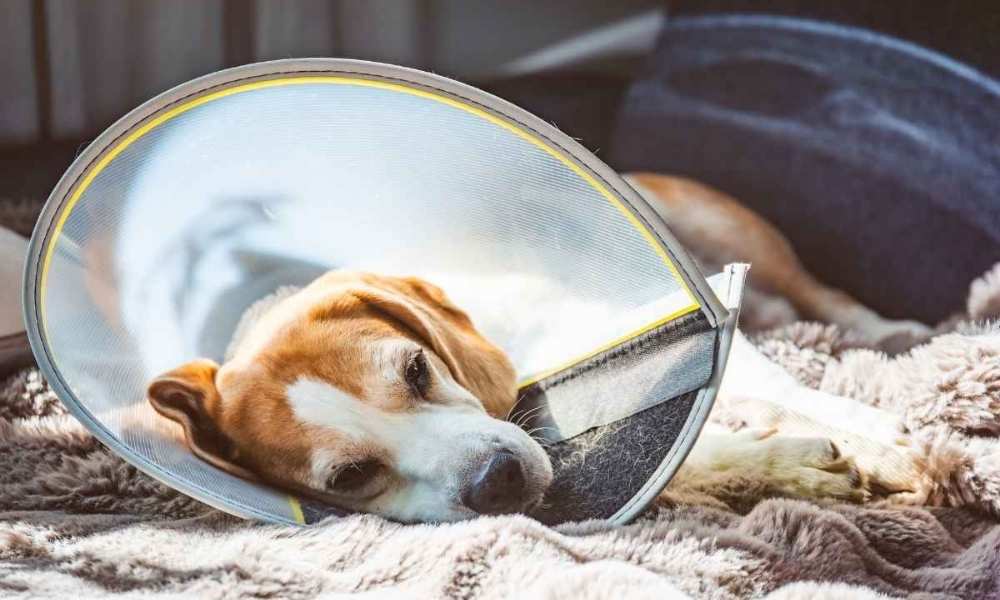
Deciding to spay your pet is one of the most responsible choices you can make as an animal owner. It helps control the pet population, reduces the risk of certain cancers, and often leads to a calmer, healthier companion. However, the surgery itself is only the beginning. What happens during the recovery period plays a huge role in how well and how quickly your pet heals.
Many pet owners feel anxious during the days following the procedure, and that’s completely normal. Knowing what to expect at each stage can ease your worries and help you provide the right support. This guide walks you through the recovery process day by day, covering dogs and cats alike. Whether your pet just had the surgery or you’re preparing in advance, this information applies to pets everywhere, not just those in a specific area.
What Happens During a Spay Surgery?
A spay procedure, technically called an ovariohysterectomy, involves the surgical removal of a female pet’s ovaries and uterus. It is performed under general anesthesia and typically takes between 20 to 90 minutes, depending on the animal’s size, age, and health status.
Because your pet will be under anesthesia and then transitioning out of it, the first 24 hours post-surgery are often the most unpredictable. Understanding this window is key to avoiding complications.
Day-by-Day Recovery Guide After Spay Surgery
Day 1: The First Hours Home
Your pet will likely be groggy, disoriented, and possibly whimpering when you bring them home. This is normal. The anesthesia takes time to clear from their system. Here is what to do on Day 1:
• Set up a quiet, warm, and confined resting space away from other pets and children.
• Offer small amounts of water. Withhold food until the evening or as directed by your vet.
• Do not leave your pet unsupervised on elevated surfaces; they may fall.
• Avoid bathing or touching the incision site.
• Keep them calm. No running, jumping, or playing.
Days 2–3: Monitoring the Incision Site
Your pet should begin to regain their appetite and alertness by Day 2. However, this is also when discomfort may peak as the anesthesia fully wears off.
What to watch for:
• Mild swelling around the incision — expected.
• Light redness at the suture site — acceptable for the first 48 hours.
• Your pet licking the wound — use an E-collar (cone) to prevent this.
• Excessive swelling, discharge, or foul smell — contact your vet immediately.
Keep all activity restricted. Short, leashed bathroom walks are fine for dogs. Cats should remain indoors with limited access to stairs and furniture.
Days 4–7: The Healing Window
By Day 4, most pets start feeling closer to normal, which actually creates a new challenge. A pet that feels better may want to play, jump, or run before their internal tissues have fully healed. Internal stitches take longer to close than what you can see on the surface.
Continue enforcing rest and activity restrictions even if your pet seems energetic. This week is critical to preventing incision reopening or hernia development.
Days 8–14: Suture Check and Gradual Return to Activity
Most vets schedule a follow-up visit around Day 10–14 to examine the incision and, if necessary, remove any external sutures. This is also a good time to discuss pain management adjustments and activity restrictions going forward.
If the incision has healed cleanly and your vet gives the green light, you can gradually reintroduce light activity. However, strenuous exercise, rough play, and swimming should still be avoided until full clearance is given.
Signs of Complications: When to Call Your Vet
While most spay recoveries are uncomplicated, it’s essential to know the red flags. After veterinary surgery, these symptoms warrant an immediate call to your clinic:
• Pale or white gums
• Extreme lethargy lasting more than 24 hours post-surgery
• Repeated vomiting or refusal to eat past Day 2
• Visible tissue protruding from the incision
• Persistent bleeding or heavy discharge from the wound
• Labored breathing or unresponsiveness
Do not wait to see if things improve on their own when any of these signs are present. Acting quickly after veterinary surgery can make a significant difference in outcomes.
Pain Management and Medications
Your vet will typically send your pet home with pain relief medication. Administer it exactly as prescribed, even if your pet seems comfortable. Pain can be masked well in animals, and stopping medication too early can lead to setbacks.
Never give your pet human pain medications such as ibuprofen or acetaminophen. These are toxic to dogs and cats and can be fatal even in small doses.
Recovery Tips: Dogs vs. Cats
For Dogs:
• Use a leash even in the backyard during the first two weeks.
• Avoid steps if possible; use a ramp or carry small dogs.
• Distract with calm chew toys rather than active play.
For Cats:
• Place litter boxes on ground level so jumping isn’t required.
• Block access to high shelves, cat trees, and tall furniture.
• Keep them separated from other household pets to reduce stress and physical contact.
Spay surgery recovery doesn’t have to be stressful, not for you or your pet. With the right information, a little patience, and consistent monitoring, most pets bounce back completely within two weeks. The key is staying observant, following your vet’s instructions carefully, and acting quickly if something seems off.
If you’re in Overland Park, KS, and need guidance from a vet near you on post-surgical care or recovery concerns, contact us at Blue Valley Animal Hospital. Our team is here to support you through every stage of your pet’s healing journey, with personalized care and attention your companion deserves.
FAQs:
Q1. How long does it take for a dog or cat to fully recover from spaying surgery?
Ans. Most dogs and cats recover within 10 to 14 days after the external incision. However, internal tissues can take up to four to six weeks to fully heal. It’s important not to resume normal activity levels until your vet confirms complete recovery during a follow-up visit.
Q2. Is it normal for my pet not to eat after being spayed?
Ans. Yes. It is common for pets to skip a meal or show reduced appetite on the day of surgery and sometimes into Day 2. This is typically due to the effects of anesthesia. If your pet still refuses food by Day 3 or shows vomiting, contact your veterinarian.
Q3. Can my pet sleep in my bed after surgery?
Ans. It’s best to have your pet rest at ground level for the first week or two. Jumping on or off the bed can strain the incision site and potentially reopen internal sutures. Set up a cozy floor bed to keep them comfortable and safe.
Q4. How do I keep my pet from licking the incision?
Ans. An Elizabethan collar (E-collar or cone) is the most reliable way to prevent licking. Soft recovery collars and post-surgical onesies are also available alternatives if your pet finds the cone too stressful. Licking introduces bacteria to the wound and can cause serious infections.
Q5. What does a normal healing incision look like?
Ans. A normal incision will have edges that are close together, mild pinkness at the edges in the first few days, and possible slight bruising. It should look progressively cleaner each day. If you notice swelling that increases, discharge with color or odor, or tissue separating, seek veterinary attention promptly.
Q6. Is urgent care available if my pet has a post-surgery emergency?
Ans. Yes. Post-surgical complications can arise unexpectedly. If you notice sudden worsening symptoms outside regular office hours, look for a clinic offering urgent care services. Having a trusted provider with urgent care access nearby can be critical in those moments.