16200 Metcalf Ave, Overland Park, KS 66085

Why Does My Dog’s Breath Smell Like Fish? Causes, Treatment & When to Worry
By Blue Valley Animal Hospital | July 23, 2026
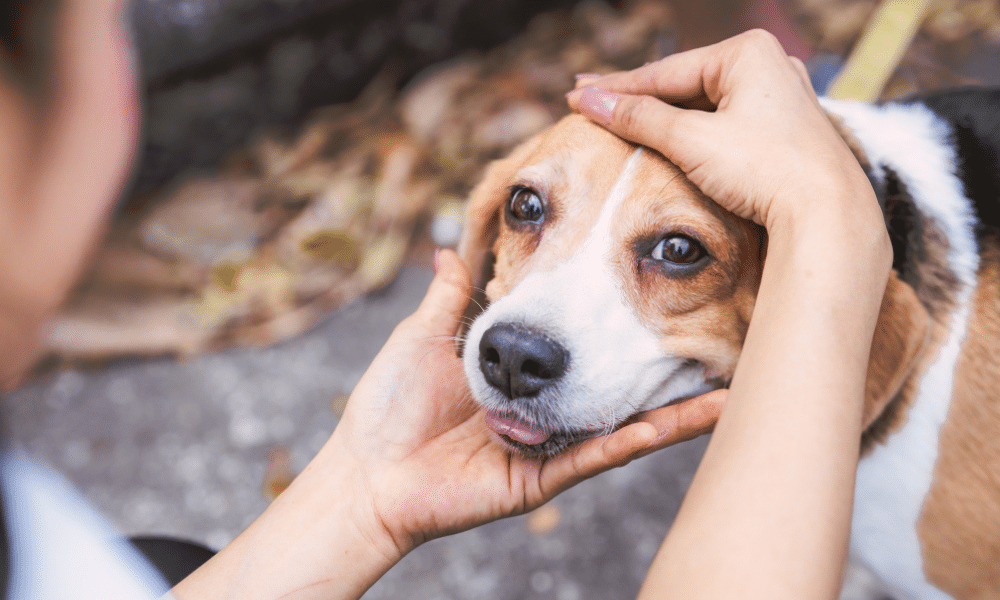
Close your eyes and imagine leaning in for a sweet morning cuddle with your furry best friend. Suddenly, a wave of pungent, unmistakable fishy odor hits you square in the face. Naturally, your first instinct is to pull away and wonder what on earth your dog managed to get into this time. While a funky smell after breakfast is normal, persistent fishy breath is rarely just a quirky side effect of eating.
In fact, that strange odor is often a direct warning flare from your dog’s internal health or oral microbiome. Although many owners brush off bad breath as a standard part of pet ownership, ignoring it can allow underlying medical issues to escalate quickly. Furthermore, understanding the root cause helps you protect your pet from chronic pain and expensive veterinary bills down the road.
Behind the scenes, pet urgent care clinics frequently treat dogs suffering from advanced oral infections that started as simple bad breath. By catching these signs early, you can safeguard your companion’s overall health and restore fresh cuddles in no time.
1. The Dental Culprits: Periodontal Disease and Plaque
When it comes to foul breath, the mouth is usually the primary suspect. Just like humans, dogs accumulate dental plaque every single day from food particles and saliva mixing together. However, because dogs rarely floss, that soft plaque quickly hardens into rough tartar or calculus within just a few days.
As tartar builds up above and below the gumline, it creates a cozy, oxygen-free breeding ground for anaerobic bacteria. These specific bacteria release volatile sulfur compounds as they feed and multiply. Instead of a normal, earthy dog smell, these sulfur byproducts often mimic the sharp, ammonia-heavy scent of rotting fish or sulfur.
If left unchecked, this bacterial invasion triggers periodontal disease. The gums become inflamed, pull away from the teeth, and form deep pockets where even more bacteria hide. Consequently, chronic fishy breath is often the very first audible clue that your dog is quietly battling hidden dental decay.
2. Non-Dental Causes: The Anal Gland Connection
Interestingly enough, not all fishy breath originates directly inside the oral cavity. If your dog’s breath smells remarkably like fresh fish, the culprit might actually be located at the complete opposite end of their anatomy.
Dogs possess two small scent sacs called anal glands situated just inside the rectum. These glands secrete a pungent, fish-scented oily fluid meant for scent-marking and identification. Normally, these sacs express naturally during a bowel movement. However, if a dog experiences soft stools, anxiety, or anatomical blockages, the glands can become impacted and leak.
When a dog constantly scoots, licks, or grooms their rear end to relieve the pressure, they inadvertently transfer that potent fishy fluid onto their tongue and lips. Consequently, every time they pant or yawn afterward, they project that distinct odor straight into the room. If your dog exhibits a sudden fishy breath odor paired with excessive tail-chasing or scooting, check their rear end before assuming the problem is purely dental.
3. Trapped Foreign Objects and Teething
Sometimes, a fishy odor points to physical trauma or trapped debris inside the oral cavity. Dogs explore the world using their mouths, which frequently leads to splinters, sticks, bones, or toys getting wedged stubbornly between their back molars or stuck to the roof of their mouth.
When a foreign object wedges into the soft tissue of the palate, it creates a small wound. Food particles and bacteria quickly pack into the crevice, causing localized infection and a rotting, fish-like stench.
Similarly, adolescent puppies go through a teething phase around four to six months of age. As adult teeth push out baby teeth, minor bleeding and gum irritation occur. If tiny pieces of kibble get trapped around loose or retained baby teeth, bacteria multiply rapidly, producing a temporary yet powerful fishy aroma until the adult teeth fully erupt.
4. Systemic Health Issues and Organ Dysfunction
Although less common, persistent foul breath can occasionally signal severe internal disease. The body relies heavily on the liver and kidneys to filter toxins out of the bloodstream.
When these vital organs begin to fail, waste products like urea and creatinine accumulate in the blood instead of being expelled. As these toxins circulate, they alter the chemical composition of saliva and breath. For instance, kidney disease can cause breath that smells distinctly urinous or metallic, while advanced liver failure can create a musty, foul odor accompanied by yellowing gums and vomiting.
If your dog’s fishy breath comes alongside sudden lethargy, increased thirst, or changes in bathroom habits, schedule a comprehensive veterinary checkup immediately to rule out internal organ distress.
Solutions: How to Clear Up and Prevent Fishy Breath
Fortunately, you do not have to live with a dog whose breath clears the room. Tackling the problem requires a strategic blend of professional intervention and daily home care.
- Commit to Daily At-Home Brushing: Use a soft-bristled canine toothbrush and pet-safe enzymatic toothpaste (never human toothpaste, which contains toxic fluoride and xylitol) to break down daily plaque.
- Incorporate Dental Chews Wisely: Look for products certified by the Veterinary Oral Health Council (VOHC) that mechanically scrape plaque away during chewing.
- Schedule Professional Veterinary Cleanings: Home care is fantastic for prevention, but it cannot remove hardened tartar hiding beneath the gumline. To address deep-seated periodontal issues safely, consult a trusted pet dentist in Overland Park to perform a thorough under-the-gum cleaning and polishing.
Dealing with persistent fishy breath can test the patience of even the most devoted pet parent, but it serves as an invaluable early warning system for your dog’s health. Whether the scent stems from everyday plaque accumulation, impacted anal glands, or early-stage periodontal disease, addressing it promptly prevents minor discomfort from turning into a major medical hurdle.
If your dog is due for a dental evaluation or you need guidance on managing their oral hygiene, we are here to help. Contact us at Blue Valley Animal Hospital to schedule your appointment and give your companion back a healthy, comfortable smile.
Frequently Asked Questions
Q1: Why does my dog’s breath suddenly smell like dead fish?
Ans: A sudden fishy smell usually points to either expressed anal gland fluid transferred during grooming or an acute bacterial infection inside the mouth, such as an infected tooth root or trapped foreign object.
Q2: Can giving my dog fish oil cause their breath to smell like fish?
Ans: Yes, fish oil supplements will temporarily make a dog’s breath smell fishy for 30 to 60 minutes after ingestion. However, if the odor lingers continuously throughout the day, the cause is likely bacterial or glandular rather than dietary.
Q3: Will brushing my dog’s teeth get rid of fishy breath completely?
Ans: Regular brushing eliminates surface plaque and freshens breath if the odor is mild. However, if tartar has already hardened beneath the gumline or anal glands are impacted, brushing alone will not resolve the underlying scent.
Q4: How can I tell if my dog’s bad breath is a dental emergency?
Ans: Watch for red flags such as excessive drooling, drops of blood in the water bowl, visible swelling around the muzzle, pawing constantly at the mouth, or dropping food while trying to eat.
Q5: Are certain dog breeds more prone to severe dental odors?
Ans: Yes, small and toy breeds like Chihuahuas, Yorkies, and Pugs are significantly more prone to rapid tartar buildup and overcrowding, which traps bacteria and intensifies dental odors.
Q6: How often should a dog’s teeth be professionally cleaned by a veterinarian?
Ans: Most dogs benefit from a professional veterinary dental evaluation and cleaning once a year, though smaller breeds or dogs prone to fast plaque accumulation may require cleanings every six to nine months.