16200 Metcalf Ave, Overland Park, KS 66085

Cat Emergencies That Require Immediate Veterinary Attention
By Blue Valley Animal Hospital | May 11, 2026
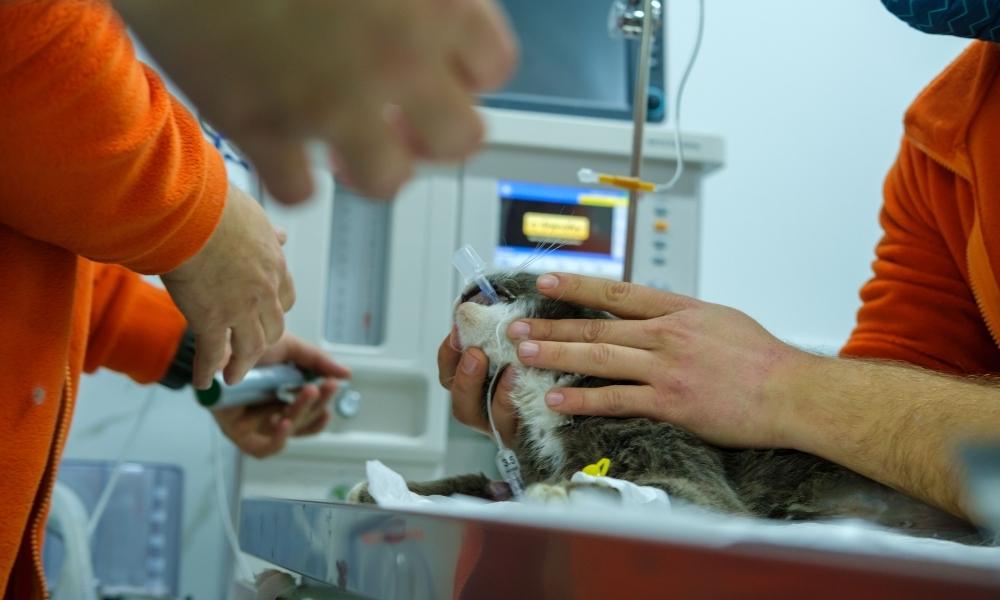
Cats are known for hiding pain and illness, which can make it difficult for pet owners to recognize when a medical problem becomes serious. In many cases, waiting too long to seek veterinary care can lead to complications or even become life-threatening. For cat owners in Overland Park and beyond, understanding the warning signs of a true emergency can help protect a pet’s health and improve recovery outcomes.
Why Immediate Veterinary Care Matters for Cats
Unlike dogs, cats often mask discomfort until a condition becomes severe. A subtle change in appetite, breathing, or behavior may indicate an urgent health issue that requires prompt evaluation. Emergency veterinary care focuses on stabilizing pets quickly, identifying the underlying cause, and preventing further complications.
Knowing when to act can make a significant difference in treatment success and your cat’s overall well-being.
Difficulty Breathing
Breathing problems are always considered an emergency in cats. Signs may include:
- Open-mouth breathing
- Rapid or shallow breaths
- Wheezing or coughing
- Blue or pale gums
- Excessive stretching of the neck while breathing
Respiratory distress can result from asthma, heart disease, allergic reactions, infections, or trauma. Because oxygen deprivation can worsen rapidly, immediate veterinary attention is critical.
Sudden Weakness or Collapse
If a cat suddenly collapses, becomes disoriented, or cannot stand properly, emergency care should be sought right away. Possible causes include:
- Heart conditions
- Severe infections
- Internal bleeding
- Neurological disorders
- Toxic exposure
Even if the symptoms appear temporary, sudden weakness should never be ignored.
Ingestion of Toxic Substances
Cats are highly sensitive to many household toxins. Common dangers include:
- Lilies and other toxic plants
- Human medications
- Cleaning chemicals
- Essential oils
- Antifreeze
- Chocolate and caffeine products
Symptoms of poisoning may include drooling, vomiting, tremors, seizures, or difficulty walking. If you suspect toxin exposure, contact a veterinarian immediately rather than waiting for symptoms to worsen.
Severe Vomiting or Diarrhea
Occasional stomach upset may not always be serious, but repeated vomiting or diarrhea can quickly lead to dehydration in cats. Emergency evaluation may be necessary if symptoms are accompanied by:
- Blood in vomit or stool
- Lethargy
- Loss of appetite
- Fever
- Abdominal pain
These signs may indicate infections, intestinal blockages, pancreatitis, or other serious medical conditions.
Urinary Blockages
A urinary blockage is one of the most dangerous emergencies, especially in male cats. This condition prevents normal urination and can become fatal within a short period of time.
Warning signs include:
- Frequent trips to the litter box
- Straining without producing urine
- Crying while attempting to urinate
- Licking the genital area excessively
- Vomiting or weakness
Because toxins build up rapidly in the body, this type of pet emergency requires immediate veterinary treatment.
Trauma and Injuries
Cats may suffer injuries from falls, vehicle accidents, fights with other animals, or household hazards. Even when injuries seem minor, internal damage may not be visible right away.
Seek urgent care if your cat experiences:
- Heavy bleeding
- Broken bones
- Difficulty walking
- Deep wounds
- Head trauma
- Signs of pain after an accident
Prompt treatment can reduce complications and improve recovery.
Seizures or Neurological Symptoms
Seizures, sudden head tilting, loss of coordination, or unusual eye movements can signal serious neurological problems. These symptoms may be linked to toxins, epilepsy, infections, brain injuries, or metabolic disorders.
A cat experiencing a seizure should be kept in a safe, quiet area until veterinary care is available. Avoid placing your hands near your mouth during the episode.
Loss of Appetite for More Than 24 Hours
Cats that stop eating for an extended period may develop hepatic lipidosis, also known as fatty liver disease. This condition can become severe quickly, especially in overweight cats.
If your cat refuses food for more than a day or shows additional symptoms such as vomiting, lethargy, or weight loss, veterinary evaluation is recommended as soon as possible.
Eye Injuries or Sudden Vision Changes
Eye problems can progress rapidly in cats and may permanently affect vision if untreated. Emergency signs include:
- Swelling around the eye
- Cloudiness
- Squinting
- Bleeding
- Sudden blindness
- Pawing at the face
Eye injuries should always be examined promptly to prevent long-term complications.
Signs of Extreme Pain
Cats often hide pain instinctively, making subtle behavioral changes important to notice. Signs of severe discomfort may include:
- Hiding excessively
- Aggression when touched
- Crying or vocalizing unusually
- Hunched posture
- Refusal to move
Pain may indicate internal injuries, infections, or other critical conditions that require immediate medical attention.
How Cat Owners Can Prepare for Emergencies
Preparation can help reduce stress during unexpected situations. Consider the following steps:
- Keep your veterinarian’s contact information accessible
- Store emergency clinic numbers in your phone
- Use a secure cat carrier for safe transportation
- Monitor your cat’s normal eating and litter habits
- Remove common household toxins from reachable areas
Acting quickly during a pet emergency often improves the chances of successful treatment and recovery.
When to Contact an Emergency Veterinarian
If you are uncertain whether your cat’s condition is urgent, it is always safer to contact a veterinary professional for guidance. Delaying treatment can allow serious illnesses to progress unnoticed.
When your cat faces a sudden illness or injury, every second counts. Pet owners in Overland Park can rely on Blue Valley Animal Hospital for compassionate, urgent veterinary care. If you notice any concerning symptoms, please call 913-681-281 immediately or book an appointment online to ensure your cat receives timely medical attention from our experienced team.
FAQs:
Q1. How do I know if my cat’s condition is an emergency?
Ans. Signs such as difficulty breathing, repeated vomiting, collapse, seizures, inability to urinate, or severe injuries typically require immediate veterinary care.
Q2. Can cats recover from urinary blockages?
Ans. Yes, many cats recover successfully with prompt treatment. However, delays can lead to life-threatening complications.
Q3. Should I take my cat to the vet after a fall?
Ans. Even if your cat appears normal, internal injuries may not be immediately visible. A veterinary evaluation is recommended after significant falls or trauma.
Q4. What household items are toxic to cats?
Ans. Common toxic substances include lilies, human medications, antifreeze, essential oils, cleaning products, and chocolate.
Q5. Is it dangerous if my cat stops eating?
Ans. Yes. Cats that stop eating for more than 24 hours may develop serious liver complications and should be examined by a veterinarian.
Q6. What should I do if my cat has a seizure?
Ans. Keep your cat away from hazards, avoid handling the mouth area, and seek veterinary care immediately after the seizure ends.