16200 Metcalf Ave, Overland Park, KS 66085

The Best Toothpastes for Dogs and Cats: Safe and Effective Options
By Blue Valley Animal Hospital | May 14, 2026
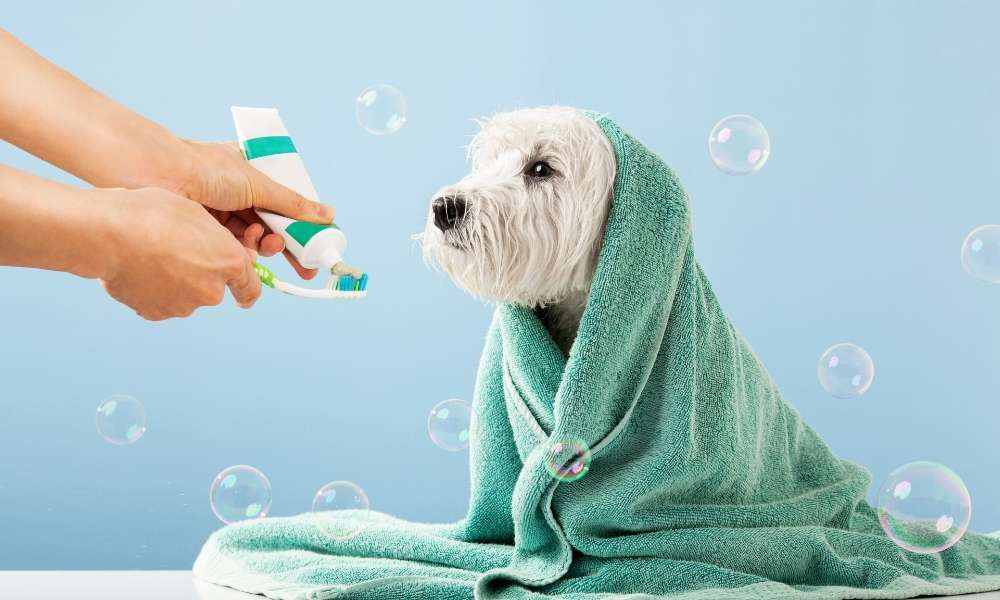
Keeping your pet’s teeth clean is one of the most important parts of their overall health. Many pet owners focus on nutrition, exercise, and regular wellness visits while overlooking dental care. Poor oral hygiene can lead to painful dental disease, bad breath, infections, and even health complications affecting the heart, liver, and kidneys.
Many dogs and cats develop dental disease by the age of three. Daily brushing with a safe pet toothpaste can help reduce plaque buildup and support healthier teeth and gums. Human toothpaste is not safe for pets, making it especially important to choose the right product.
At Blue Valley Animal Hospital in Overland Park, pet owners often ask which toothpastes are safest and most effective for dogs and cats. Understanding what ingredients to look for and how to introduce brushing can make dental care easier for both pets and owners.
Learn more about pet dental care at Blue Valley Animal Hospital’s Dentistry Services.
Why Dental Care Matters for Dogs and Cats
Dental disease is one of the most common medical conditions seen in pets. Plaque begins forming on teeth shortly after eating. When plaque is not removed, it hardens into tartar, which can irritate the gums and create an environment for bacterial growth.
Dogs and cats with untreated dental disease may experience:
- Bad breath
- Red or swollen gums
- Loose or damaged teeth
- Difficulty eating
- Excessive drooling
- Pain around the mouth
- Increased risk of infection
Regular brushing helps reduce plaque before it turns into tartar. Veterinary dental cleanings remain important, though home brushing can significantly improve oral health between professional visits.
Why Human Toothpaste Is Unsafe for Pets
Many pet owners assume a small amount of human toothpaste is harmless for animals. Human toothpaste contains ingredients that can be dangerous to dogs and cats if swallowed.
Common harmful ingredients include:
- Fluoride
- Xylitol
- Artificial sweeteners
- Foaming agents
- High sodium content
Pets cannot spit toothpaste out the way humans do. Swallowed toothpaste may upset the stomach or lead to serious toxicity in some cases.
Pet toothpaste is specially designed to be swallowed safely and often comes in flavors pets enjoy, such as poultry, beef, seafood, or peanut butter.
What To Look for in a Safe Pet Toothpaste
Choosing the right toothpaste can make brushing more effective and less stressful. Some products focus on freshening breath while others target plaque and tartar control.
A quality pet toothpaste should include:
Safe Pet-Friendly Ingredients
Look for products specifically labeled for dogs and cats. Veterinary-approved products are often the safest choice.
Helpful ingredients may include:
- Enzymes that help break down plaque
- Mild abrasives for cleaning teeth
- Breath-freshening ingredients
- Pet safe flavoring
Avoid products with alcohol, xylitol, or strong chemicals.
Appealing Flavor Options
Pets are more likely to tolerate brushing when the toothpaste tastes good to them. Chicken and seafood flavors are often popular with cats, while dogs may prefer poultry or peanut butter flavors.
Trying a few flavors may help identify what your pet enjoys most.
Veterinary Oral Health Council Approval
The Veterinary Oral Health Council evaluates dental products for safety and effectiveness. Products with VOHC approval have been tested to help reduce plaque or tartar accumulation.
Checking for this seal can help pet owners choose trusted products.
Best Types of Toothpastes for Dogs
Dogs often tolerate brushing better than cats, especially when introduced gradually. Many canine toothpastes are designed to reduce tartar and improve breath while making brushing easier for owners.
Popular types of toothpaste for dogs include:
Enzymatic Toothpaste
Enzymatic formulas are among the most recommended options for dogs. These products use enzymes to help reduce bacteria and plaque buildup.
Many dogs accept these toothpastes well due to their flavored formulas.
Natural Toothpaste Formulas
Some owners prefer toothpaste made with natural ingredients. Natural formulas may contain coconut oil, aloe vera, or herbal extracts.
Products marketed as natural should still be reviewed carefully to ensure they are formulated specifically for pets.
Tartar Control Toothpaste
Dogs prone to tartar buildup may benefit from toothpaste designed to target hardened plaque. Daily use combined with professional dental cleanings can improve oral health over time.
Best Types of Toothpastes for Cats
Cats can be more sensitive to taste, texture, and handling. Choosing the right toothpaste and introducing brushing slowly are important for success.
Seafood Flavored Toothpaste
Fish- or seafood-flavored toothpaste tends to be more attractive to cats than poultry- or mint-flavored toothpaste. Cats usually cooperate better when the toothpaste flavor is familiar and pleasant to them.
Gentle Enzymatic Formulas
Cats benefit from enzymatic toothpaste designed for sensitive mouths. Gentle formulas may reduce irritation while helping control plaque.
Multi-Pet Toothpaste Options
Some toothpaste products are formulated for both dogs and cats. Multi-pet formulas can be convenient for households with several animals. Checking labels carefully helps ensure the product is appropriate for feline use.
How To Introduce Tooth Brushing to Your Pet
Brushing a pet’s teeth may feel challenging at first. Patience and consistency can help pets become more comfortable over time.
Start Slowly
Let your dog or cat sniff and taste the toothpaste before using a toothbrush. Reward their calmness with praise or treats. Starting gradually helps build a positive experience.
Use a Pet Toothbrush or Finger Brush
Soft-bristle pet toothbrushes are designed to fit comfortably inside a pet’s mouth. Finger brushes can work well for smaller pets or beginners. Gentle brushing along the gumline is usually the most effective approach.
Keep Sessions Short
Shorter brushing sessions tend to be less stressful for pets. Even brushing just a few teeth at a time can aid the learning process. In the beginning, consistency is more important than perfection.
Create a Routine
Brushing daily yields the best results. Pets tend to adjust more easily when grooming occurs at a consistent time each day. Establishing a relaxed routine can enhance long-term success.
Signs Your Pet May Need Professional Dental Care
Home brushing is important, though some dental problems require veterinary attention. Advanced dental disease cannot be treated with toothpaste alone.
Signs your pet may need a dental evaluation include:
- Persistent bad breath
- Bleeding gums
- Loose teeth
- Difficulty chewing
- Facial swelling
- Pawing at the mouth
- Yellow or brown tartar buildup
A veterinary dental exam can help determine whether your pet needs a professional cleaning or additional treatment.
Other Ways To Support Your Pet’s Oral Health
Toothpaste works best when combined with a complete dental care routine. Additional dental products may help reduce plaque and support healthier gums.
Helpful dental care options include:
- Dental chews
- Water additives
- Prescription dental diets
- Dental wipes
- Oral rinses
- Professional dental cleanings
Not every product is right for every pet. Veterinary guidance can help identify the safest and most effective choices.
Common Mistakes Pet Owners Should Avoid
Many well-meaning owners accidentally make dental care more difficult by rushing the process or using unsafe products.
Common mistakes include:
Using Human Toothpaste
Human toothpaste should never be used for dogs or cats due to potentially toxic ingredients.
Brushing Too Aggressively
Gentle brushing is more effective and less stressful for pets. Harsh brushing may irritate sensitive gums.
Ignoring Early Signs of Dental Disease
Mild bad breath or gum redness may seem minor at first. Early treatment can prevent more serious dental problems later.
Skipping Regular Veterinary Exams
Professional dental evaluations remain important even for pets receiving home brushing care.
Supporting Lifelong Dental Health
Good dental habits can improve a pet’s comfort, health, and quality of life. Brushing may take time and patience at first, though many pets gradually become more cooperative with regular practice.
Safe pet toothpaste, consistent brushing, and routine veterinary dental care all play an important role in preventing oral disease. Choosing products designed specifically for dogs and cats helps protect pets from harmful ingredients while supporting healthier teeth and gums.
If your dog or cat needs dental care in Overland Park, book an appointment with Blue Valley Animal Hospital for a consultation. Our veterinary team can evaluate your pet’s oral health, recommend safe dental care products, and provide compassionate treatment focused on long-term comfort and wellness.
FAQs
Q1. Can I use baking soda to clean my pet’s teeth?
Ans. Baking soda is not generally recommended for pets. Many veterinary-approved toothpastes are safer and specifically designed for dogs and cats.
Q2. Why does my cat resist tooth brushing?
Ans. Cats are sensitive to unfamiliar handling and tastes. Introducing brushing slowly and using a cat-friendly flavored toothpaste may improve cooperation.
Q3. Are dental chews enough to clean my pet’s teeth?
Ans. Dental chews can help reduce plaque, though they do not replace regular brushing or professional dental care.
Q4. What flavor toothpaste is best for pets?
Ans. Flavor preferences vary by pet. Dogs often enjoy poultry or peanut butter flavors, while many cats prefer seafood-flavored toothpaste.
Q5. When should my pet have a professional dental cleaning?
Ans. Pets should receive regular dental evaluations during wellness visits. Your veterinarian can recommend cleanings based on tartar buildup, gum health, and overall oral condition.