16200 Metcalf Ave, Overland Park, KS 66085

Why Is My Dog Drinking So Much Water? Causes and Diagnostic Tests
By Blue Valley Animal Hospital | October 5, 2026
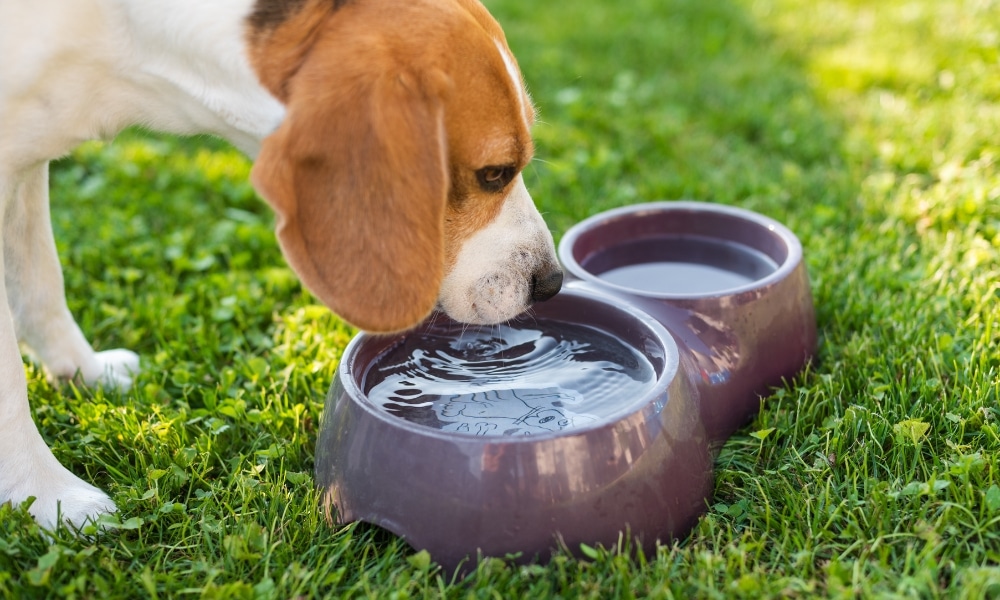
Have you noticed your dog visiting the water bowl more frequently? Perhaps you’re refilling it several times daily, or your dog suddenly needs more bathroom breaks. While increased thirst can occur after exercise or during hot weather, persistent changes may indicate an underlying health condition.
Excessive thirst in dogs, medically called polydipsia, can be associated with kidney disease, diabetes, hormonal disorders, and other medical problems. Understanding these possibilities helps pet owners recognize when veterinary attention is necessary.
For dog owners in Overland Park, knowing what’s normal and what deserves attention can make a difference in their pet’s health. This guide explains common causes of excessive thirst, warning signs, and diagnostic tests veterinarians use to identify the problem.
How Much Water Should a Dog Drink Daily?
Most healthy adult dogs drink approximately 40–60 milliliters of water per kilogram of body weight daily. However, water requirements vary depending on activity, diet, temperature, and overall health.
For example, a 20-pound dog may normally drink around 12–18 fluid ounces daily. Dogs eating dry food often consume more water than those eating wet food.
Water consumption exceeding 100 milliliters per kilogram of body weight daily is generally considered excessive.
An occasional increase isn’t necessarily concerning. However, persistent changes without an obvious explanation deserve veterinary evaluation.
What Causes Excessive Thirst in Dogs?
Several health conditions can cause dogs to drink more water than usual. Identifying the underlying problem is important because treatment depends on the cause.
Kidney Disease
Healthy kidneys filter waste and regulate fluid balance. When kidney function declines, the kidneys may struggle to concentrate urine.
Affected dogs often urinate more frequently and drink additional water to replace lost fluids.
Other symptoms include:
- Reduced appetite
- Unexplained weight loss
- Vomiting
- Increased urination
- Reduced energy
Kidney disease is more common in older dogs, although it can occur at any age.
Diabetes Mellitus
Diabetes affects the body’s ability to regulate blood sugar. When blood glucose becomes excessively high, glucose enters the urine and draws additional water with it.
This causes increased urination and thirst. Dogs with diabetes may also lose weight despite eating normally or having an increased appetite. Bloodwork and urinalysis help veterinarians diagnose diabetes and determine appropriate treatment.
Cushing’s Disease
Cushing’s disease occurs when a dog’s body produces excessive cortisol. This hormonal disorder commonly affects middle-aged and older dogs.
Symptoms may include:
- Increased thirst and urination
- Excessive hunger
- Frequent panting
- Muscle weakness
- A rounded abdomen
Because these symptoms overlap with other conditions, specific hormone tests may be necessary.
Urinary Tract Problems
Urinary tract infections can cause frequent urination, discomfort, and accidents indoors. Although excessive thirst isn’t a typical primary symptom of a simple bladder infection, some dogs may experience changes in drinking habits. Straining, bloody urine, or repeated attempts to urinate should prompt veterinary attention.
Liver Disease
Certain liver disorders can interfere with normal body functions and contribute to increased thirst. Affected dogs may also experience vomiting, reduced appetite, weight loss, or yellowing of the eyes and gums. Blood tests and diagnostic imaging may help identify liver abnormalities.
Medications and Environmental Factors
Not every increase in thirst indicates illness.
Other possible explanations include:
- Hot weather or increased exercise
- Switching from wet food to dry kibble
- Medications such as corticosteroids or diuretics
- Increased salt consumption
- Fluid loss from vomiting or diarrhea
If excessive drinking continues despite normal activity and environmental conditions, schedule a veterinary examination.
What Warning Signs Should Dog Owners Watch For?
Increased thirst becomes more concerning when accompanied by other symptoms.
Watch for:
- Frequent urination or indoor accidents
- Unexplained weight loss
- Changes in appetite
- Vomiting or diarrhea
- Unusual tiredness
- Difficulty urinating
- Changes in behavior
Contact your veterinarian promptly if these symptoms develop. Seek emergency veterinary care if your dog collapses, becomes severely weak, repeatedly vomits, or cannot urinate.
In unspayed female dogs, increased thirst accompanied by lethargy, vomiting, abdominal swelling, or vaginal discharge may indicate pyometra, a life-threatening uterine infection.
How Do Veterinarians Diagnose Excessive Thirst in Dogs?
Excessive thirst is a symptom, not a diagnosis. Veterinarians use medical history, physical examinations, and diagnostic testing to investigate its cause.
Physical Examination and Medical History
Our vets review your dog’s drinking habits, urination patterns, diet, medications, and recent behavior changes. A physical examination helps identify dehydration, weight loss, abdominal abnormalities, and other potential concerns.
Blood Tests
Bloodwork provides information about kidney function, liver health, blood glucose, and electrolyte levels. A complete blood count may also reveal abnormalities associated with infection, inflammation, or other medical conditions.
Urinalysis
Urinalysis evaluates urine concentration and checks for glucose, protein, blood, bacteria, and other abnormalities. Comparing urine findings with blood test results helps veterinarians distinguish between possible causes.
Hormone Testing
When initial findings suggest a hormonal disorder, additional testing may be recommended. For example, diagnosing Cushing’s disease may require tests that evaluate cortisol regulation.
Diagnostic Imaging
X-rays or ultrasound may be recommended to examine the kidneys, liver, bladder, or other abdominal organs. Through appropriate pet diagnostics, our vets can investigate potential health problems and determine which treatment options may be necessary.
What Should You Do If Your Dog Is Drinking More Water?
If your dog’s drinking habits have changed, monitoring their daily routine can provide useful information.
- Measure water intake: Track how much water your dog drinks over 24 hours.
- Monitor urination: Watch for increased frequency, larger amounts, or indoor accidents.
- Record other symptoms: Note changes in appetite, weight, energy, or behavior.
- Review recent changes: Consider new medications, dietary adjustments, or increased activity.
- Schedule an examination: Contact our veterinary practice if excessive thirst persists.
Never restrict your dog’s access to drinking water unless specifically instructed by a veterinarian. Water restriction can cause dehydration and worsen certain medical conditions.
Why Does Early Diagnostic Testing Matter?
Some conditions associated with excessive thirst develop gradually. Dogs may continue eating, playing, and behaving normally while an underlying illness progresses. Early testing helps identify abnormalities before more serious complications develop.
For example, diagnosing diabetes promptly allows treatment to begin before dangerous complications occur. Identifying kidney disease early may also provide more opportunities to manage symptoms and support quality of life.
Regular wellness examinations help our vets monitor changes and compare current findings with previous health records. If your dog is drinking more water than usual, don’t automatically assume it’s a normal part of aging.
Don’t Ignore Changes in Your Dog’s Drinking Habits
A sudden increase in thirst may seem harmless, but it can sometimes reveal an underlying medical condition. Recognizing changes early gives your dog a better opportunity to receive timely care.
Our veterinary practice in Overland Park provides wellness examinations and pet diagnostics to investigate concerning symptoms and guide treatment decisions. Our goal is to help dogs remain healthy, comfortable, and active throughout their lives.
If your dog has been drinking more water than usual, contact Blue Valley Animal Hospital today to schedule an appointment. Our vets are ready to evaluate your dog’s health and help you understand the next steps.
Frequently Asked Questions
Q1. Why is my dog suddenly drinking so much water?
Ans. Sudden increases in thirst may result from exercise, hot weather, medications, or dietary changes. Persistent excessive drinking may indicate diabetes, kidney disease, or hormonal disorders.
Q2. Can a healthy dog drink too much water?
Ans. Yes. Healthy dogs may temporarily drink more after exercise or during warm weather. However, consistently excessive drinking, especially with frequent urination, requires veterinary evaluation.
Q3. What tests help diagnose excessive thirst in dogs?
Ans. Bloodwork and urinalysis are common initial tests. Depending on the findings, veterinarians may recommend hormone testing, X-rays, or ultrasound.
Q4. Where can I get my dog examined for excessive thirst in Overland Park?
Ans. Blue Valley Animal Hospital provides wellness examinations and diagnostic services in Overland Park. Our vets can evaluate your dog’s symptoms and recommend appropriate testing.
Q5. Can Blue Valley Animal Hospital check my dog for kidney problems?
Ans. Yes. At Blue Valley Animal Hospital, our vets can evaluate kidney health through bloodwork, urinalysis, and other testing when indicated. Results help determine whether further evaluation or treatment is needed.
Q6. Should my senior dog have a wellness exam for increased thirst in Overland Park?
Ans. Yes. Increased thirst in older dogs may indicate diabetes, kidney disease, or hormonal problems. Blue Valley Animal Hospital offers wellness care to help monitor senior pets and investigate concerning health changes.