April 6, 2026
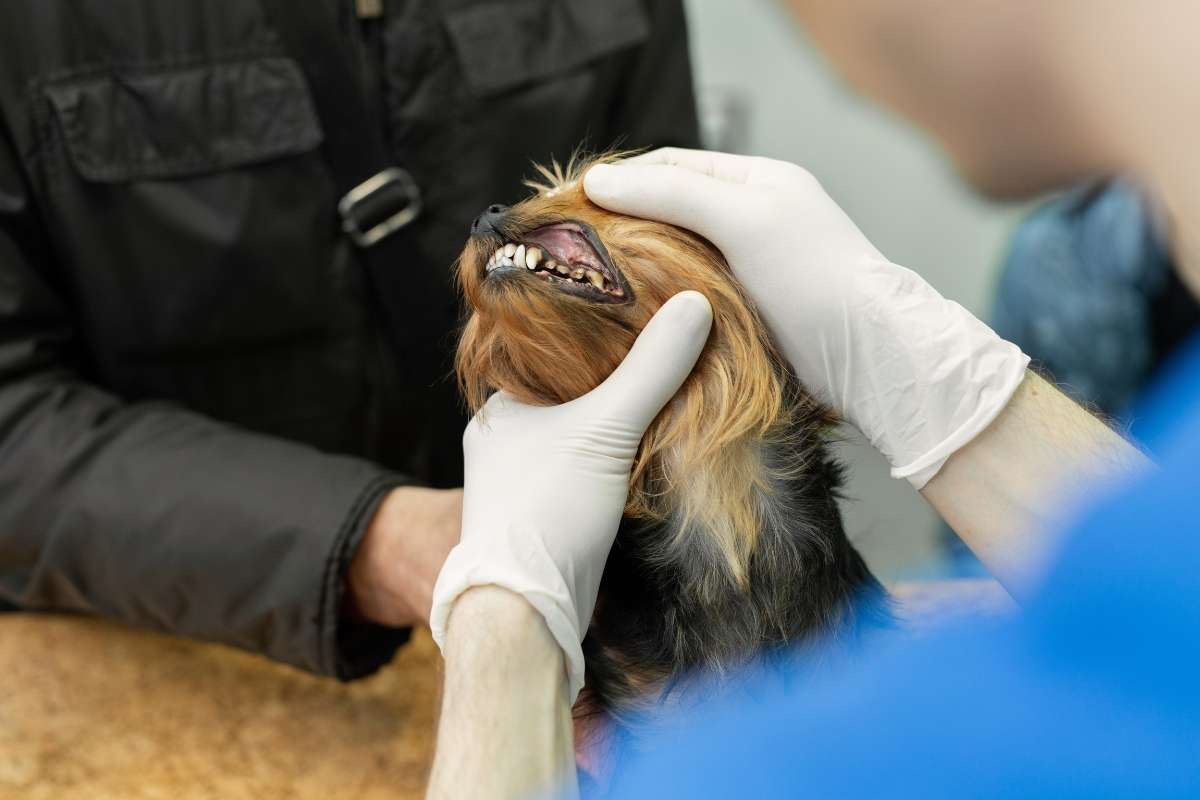
Pet owners often overlook dental health, but it plays a crucial role in their pet’s overall well-being. Dental disease in pets can cause significant pain, discomfort, and even lead to more serious health issues if left untreated. The tricky part? Pets often hide their pain, so it can be hard to spot dental problems until they become severe.
This blog is especially for pet owners in Overland Park, KS, who want to ensure their furry friends are free from dental discomfort. We’ll walk through the 10 warning signs of pet dental disease, helping you catch potential problems early and get your pet the right treatment. Early intervention can prevent significant pain and serious health complications down the road, so it’s crucial to know what to look for.
By the end of this guide, you’ll be equipped with the knowledge to spot the signs of dental disease in your pet and understand the steps you can take to maintain their oral health. If any of these signs sound familiar, it’s time to visit your veterinarian for a thorough dental exam.
What is Pet Dental Disease and Why Does It Matter?
Pet dental disease, also known as periodontal disease, is incredibly common, especially in older pets. It starts with the buildup of plaque and tartar on your pet’s teeth, which can lead to gum infection, tooth loss, and even more serious systemic issues if left untreated. In fact, dental disease doesn’t only affect your pet’s mouth; it can spread to their heart, liver, and kidneys, causing long-term health problems.
Dental disease can cause significant pain and discomfort for your pet, making it harder for them to eat, drink, and play. Recognizing the signs of dental disease early is essential. Addressing these issues sooner rather than later with proper veterinary dental care can help your pet live a longer, healthier life free from the suffering dental disease can cause.
Don’t Ignore These Dental Disease Warning Signs in Your Pet
1. Foul Breath That Won’t Go Away
One of the first signs that your pet may be experiencing dental disease is bad breath. While a mild odor is normal, especially for older pets, a strong, persistent foul smell could be a sign of gum disease or infection, which is a common issue, but it should never be ignored.
If your pet’s breath is particularly unpleasant, it’s worth scheduling a checkup. Dental disease in pets often leads to a buildup of bacteria in the mouth, which causes the odor. Addressing it early can prevent the problem from worsening and leading to other health issues.
2. Trouble Eating or Chewing
Pets with dental pain may struggle to eat or chew. They might avoid hard foods, only eat soft treats, or even stop eating altogether. If your pet starts to prefer softer foods or is hesitant to chew, it could indicate that their teeth or gums are causing discomfort.
Pets may also chew on one side of their mouth or eat more slowly than usual because chewing hurts. Watch for any changes in their eating habits, and if you notice something off, consider a complete dental checkup to ensure everything is okay.
3. Pawing at the Mouth or Face
If your pet starts pawing at their mouth or face more than usual, it’s a clear sign they may be having discomfort in their mouth. Pets instinctively paw at their faces when they’re in pain or irritation, and dental issues like toothaches or gum inflammation are common culprits.
Sometimes, pets will also rub their face on furniture or other objects to try to alleviate the pain. If this becomes a frequent behavior, it’s time to consult your vet to rule out any dental issues.
4. Swollen or Bleeding Gums
Healthy gums are typically pink and firm, but if your pet’s gums are swollen, red, or bleeding, it’s a sign that they may be dealing with gum disease. Gingivitis, the early stage of gum disease, can cause the gums to become inflamed and irritated. If left untreated, this can progress to more severe periodontal disease, which can cause tooth loss.
If you notice that your pet’s gums look inflamed, bleeding, or appear to be receding, it’s time to visit the vet for a dental exam. Addressing gum disease early can prevent further complications and ensure your pet’s mouth stays healthy.
5. Loose or Missing Teeth
As dental disease advances, your pet’s teeth may become loose or even fall out. It can be incredibly painful for them and makes it difficult to eat or chew. If your pet’s teeth feel loose or if they seem to be missing teeth, it could indicate advanced gum disease or infection. If you notice this sign, it’s important to visit a vet as soon as possible to prevent further damage and to find the right solution for your pet.
6. Excessive Drooling or Drooling at Odd Times
Drooling is natural, but excessive drooling or drooling at unusual times can be a sign of dental disease. When pets experience oral pain from gum disease or tooth decay, they may produce more saliva in response. You may notice your pet drooling more than usual or leaving wet spots on furniture or floors.
If the drooling seems excessive or is accompanied by other signs of dental issues (like bad breath or difficulty eating), it’s a good idea to visit the vet for a checkup.
7. Avoiding Play or Being More Irritable
Pets with dental disease may show more irritability or discomfort during playtime. If your usually playful pet starts to withdraw or becomes less social, it could be due to oral pain. Similarly, pets might seem more irritable when you try to touch their face or mouth.
Behavioral changes like these are often a response to pain. Keep an eye on your pet’s mood, and if they seem to be less interested in their usual activities, it could be worth checking in with your vet.
8. Weight Loss
If your pet is losing weight unexpectedly, dental disease could be a contributing factor. If their teeth or gums hurt too much, they may eat less, leading to weight loss. It can become a vicious cycle, as malnutrition can make your pet even more susceptible to illness.
A sudden loss of appetite and weight should always be taken seriously. If you notice this in your pet, a veterinary exam is necessary to rule out any serious dental or medical conditions.
9. Changes in Behavior or Activity Level
Dental pain can cause significant changes in your pet’s behavior and activity levels. They may become less energetic, spend more time resting, or seem reluctant to engage in physical activities they once enjoyed. As oral health deteriorates, your pet may avoid activities like playing, running, or fetching.
If your pet’s behavior has shifted dramatically, it’s important to address their discomfort before it worsens.
10. Difficulty Swallowing or Drooling After Eating
When your pet has dental disease, they may have trouble swallowing or may drool excessively after eating. Difficulty swallowing can be a sign of pain from gum inflammation or infection. In some cases, the pain may cause them to avoid chewing their food completely and instead swallow it whole.
If you notice your pet struggling to swallow or drooling after meals, it’s best to consult a veterinarian to examine their mouth and identify the problem.
How to Prevent Pet Dental Disease
Preventing dental disease is easier than treating it once it’s advanced. Here are a few tips to keep your pet’s teeth and gums healthy:
1. Brush Your Pet’s Teeth Regularly
Brushing your pet’s teeth is one of the most effective ways to prevent dental disease. Use a soft toothbrush and pet-safe toothpaste to clean their teeth regularly. If your pet is new to brushing, start slow and gradually build the routine.
2. Provide Dental Chews and Toys
Dental chews and toys can help reduce plaque buildup and keep your pet’s teeth clean. Look for toys and treats designed to support oral health, as they can complement your pet’s brushing routine.
3. Regular Veterinary Dental Checkups
Even with regular brushing, your pet will still need veterinary dental cleanings. Scheduling routine dental checkups allows your vet to detect early signs of dental disease and address them before they become serious.
4. A Balanced Diet for Oral Health
A healthy diet contributes to good oral health. Certain pet foods are designed to promote dental health by reducing plaque buildup. Consult your vet to find the right food for your pet’s dental needs.
Protect Your Pet’s Health With Regular Dental Care
Dental disease is a serious but preventable issue for pets. By watching for warning signs and maintaining a regular oral care routine, you can help ensure your pet’s mouth stays healthy and free from pain. Regular vet visits, professional cleanings, and at-home care are the key to preventing dental disease and supporting your pet’s overall well-being.
If you’re in Overland Park and notice any of the signs of dental disease in your pet, book an appointment today at Blue Valley Animal Hospital. Our team of caring veterinarians can give your pet the dental care they need for a healthy, happy life. Book an appointment today for a thorough dental exam and cleaning.
FAQs
Q1. How often should I get my pet’s teeth cleaned by a vet?
Ans. Pets should have a dental cleaning from a vet once a year. Your veterinarian may recommend more frequent cleanings depending on your pet’s oral health.
Q2. Can I use human toothpaste to brush my pet’s teeth?
Ans. No, human toothpaste is harmful to pets. Always use toothpaste specifically designed for pets, which is safe for them to swallow.
Q3. What are the signs that my pet has gum disease?
Ans. Common signs of gum disease include red or swollen gums, bleeding gums, bad breath, and difficulty chewing. If you notice these, consult your vet for an exam.
Q4. Can dental disease lead to other health issues in pets?
Ans. Yes, untreated dental disease can lead to infections that spread to other organs like the heart and kidneys, causing serious health issues.
Q5. How can I prevent my pet from getting dental disease?
Ans. Brushing your pet’s teeth regularly, providing dental chews, and scheduling regular checkups are the best ways to prevent dental disease.
Q6. Can dental disease cause weight loss in pets?
Ans. Yes, pets with dental disease may avoid eating due to pain, which can lead to weight loss. If you notice weight loss, it’s essential to get a dental checkup.